
Tortoise Care Guide for Beginners
General tortoise care: housing, UVB lighting, high-fiber diet, and health essentials for most beginner tortoise species.
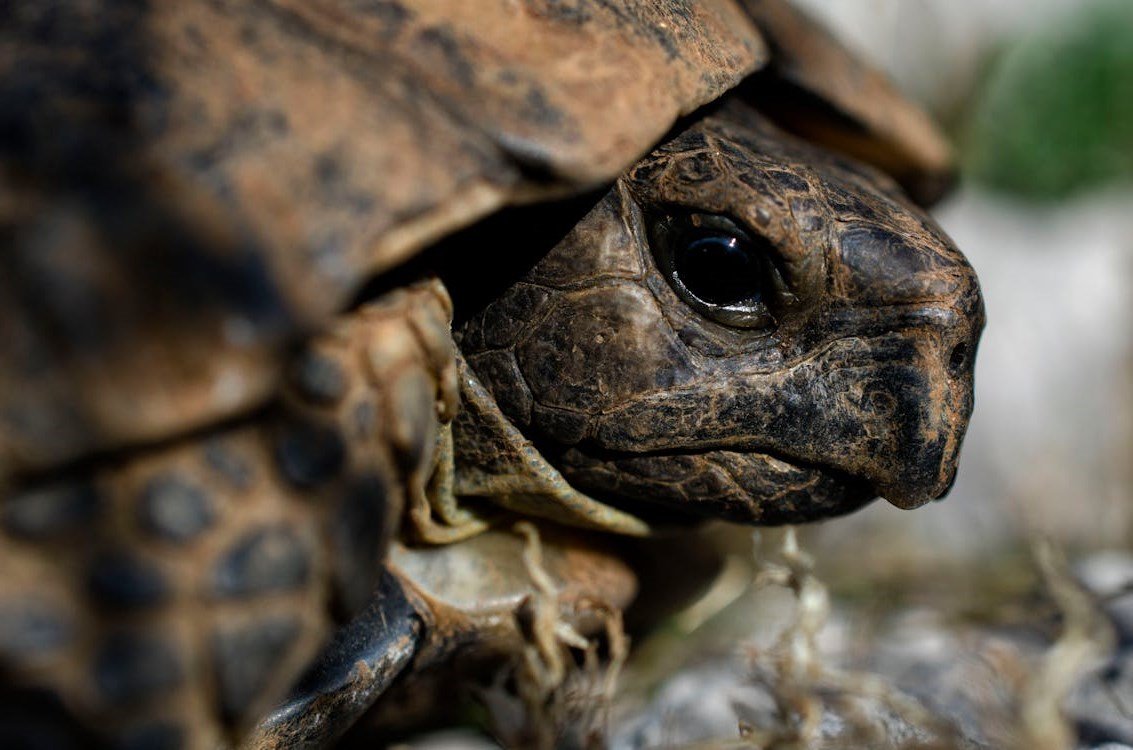
Overview
Tortoises are some of the most ancient animals you can keep as pets. They are found on every continent except Australia and Antarctica. Pet tortoises range from the 6-inch Russian Tortoise to the 150-pound Sulcata Tortoise.
Before buying any tortoise, research its specific species carefully. Care needs vary a lot between species. This guide covers the basics that apply to most beginner-friendly tortoises: Russian, Hermann’s, Greek, and Marginated.
Tortoises are long-lived — often 40–100+ years. Many outlive their owners. Think of this as a lifetime commitment.
Habitat & Housing
An open-topped tortoise table (wooden box) is much better than a glass terrarium. Terrariums trap heat and block fresh air. Tortoises need good airflow.
| Species | Minimum Floor Space |
|---|---|
| Russian / Hermann’s / Greek | 4 × 2 ft per tortoise |
| Marginated | 5 × 2 ft |
| Sulcata (adult) | Outdoor pen only — 200+ sq ft |
Outdoor pens are excellent in warm months. Walls must go 12 inches underground — tortoises dig. Make the walls tall enough that the tortoise cannot climb over.
| Zone | Temperature |
|---|---|
| Basking spot | 90–100°F (varies by species) |
| Warm side | 80–85°F |
| Cool end | 70–75°F |
| Night minimum | 60–65°F |
UVB is required for all indoor tortoises. Use a T5 HO 10.0 linear tube. Natural sunlight is always best — even 30–60 minutes outdoors daily is very beneficial.
Give 4–6 inches of deep substrate (50% topsoil, 50% playsand) for burrowing.
Diet & Feeding
All beginner tortoise species are strict plant eaters. The diet must be high in fiber and low in protein and sugar.
Best foods:
- Grasses and hay (Timothy, orchard grass, Bermuda)
- Dandelion greens and flowers
- Collard greens, mustard greens, endive
- Weeds from pesticide-free areas (plantain weed, clover, wild violet)
Avoid entirely: fruit (except very occasionally), any animal protein, spinach in large amounts, and commercial pellets as the main diet.
Dust food with calcium powder 3–4 times a week for young tortoises. Adults need it 2 times a week. Leave a cuttlebone in the enclosure for free-choice calcium.
Always provide a shallow water dish. Soak juveniles 2–3 times a week in warm shallow water. Soaking helps with hydration and encourages bowel movements.
Health & Common Issues
A healthy tortoise has bright eyes, a firm shell, and walks with its belly off the ground. It is active during warm hours and has a good appetite.
Metabolic Bone Disease causes a soft or deformed shell and weak limbs. It is caused by not enough UVB, calcium, or D3. Almost entirely preventable with the right setup.
Respiratory infections cause wheezing, nasal discharge, and open-mouth breathing. Caused by cold and damp conditions. See a vet immediately.
Shell pyramiding (ridged, stacked scutes) is caused by too much protein and low humidity during growth. A grass-based diet and proper humidity prevents it.
Never hibernate a sick tortoise. Only hibernate tortoises that are healthy, well-fed, and have been eating normally all season.
Handling & Temperament
Tortoises are surprisingly interactive and curious. Many learn feeding schedules, recognize their owner, and show individual personalities. They will investigate everything you put in their space.
Always support the full body when picking up a tortoise. Never flip a tortoise on its back — it can suffocate if unable to right itself. Wash hands after every session.
Cost & Commitment
| Item | Cost |
|---|---|
| Tortoise (captive-bred) | $100–$350 (species dependent) |
| 4×2 ft tortoise table | $80–$200 (or DIY) |
| T5 HO UVB fixture + bulb | $60–$120 |
| Monthly food | $5–$15 (mostly weeds and greens) |
Tortoises live 40–100+ years depending on species. Food costs are low. The space and time commitment is significant.
Frequently Asked Questions
Which tortoise is best for beginners?
The Russian Tortoise (Testudo horsfieldii) is the most recommended. It stays small (6–9 inches), is hardy, and is widely captive-bred. Hermann’s Tortoise is an excellent second choice. Avoid Sulcata Tortoises unless you have outdoor space — they grow enormous.
Can tortoises live with other pets?
Keep tortoises away from dogs and cats. Even gentle pets can cause stress or injury. Keep tortoises away from other tortoise species too.
Do tortoises need to hibernate?
Mediterranean and Russian Tortoises hibernate naturally. Indoor captive-bred tortoises can skip hibernation, but a 2–3 month cooling period (50–60°F) is thought to support their long-term health. Research your specific species carefully.
How do I know if my tortoise is sick?
Warning signs: closed or sunken eyes, nasal discharge, open-mouth breathing, soft shell, or refusing to eat for a long period. See a reptile vet if you notice any of these.