
Red Eared Slider Turtle Care Guide for Beginners
Tank size, water quality, UVB basking, and omnivorous diet for a healthy Red Eared Slider — one of the world's most common pet turtles.
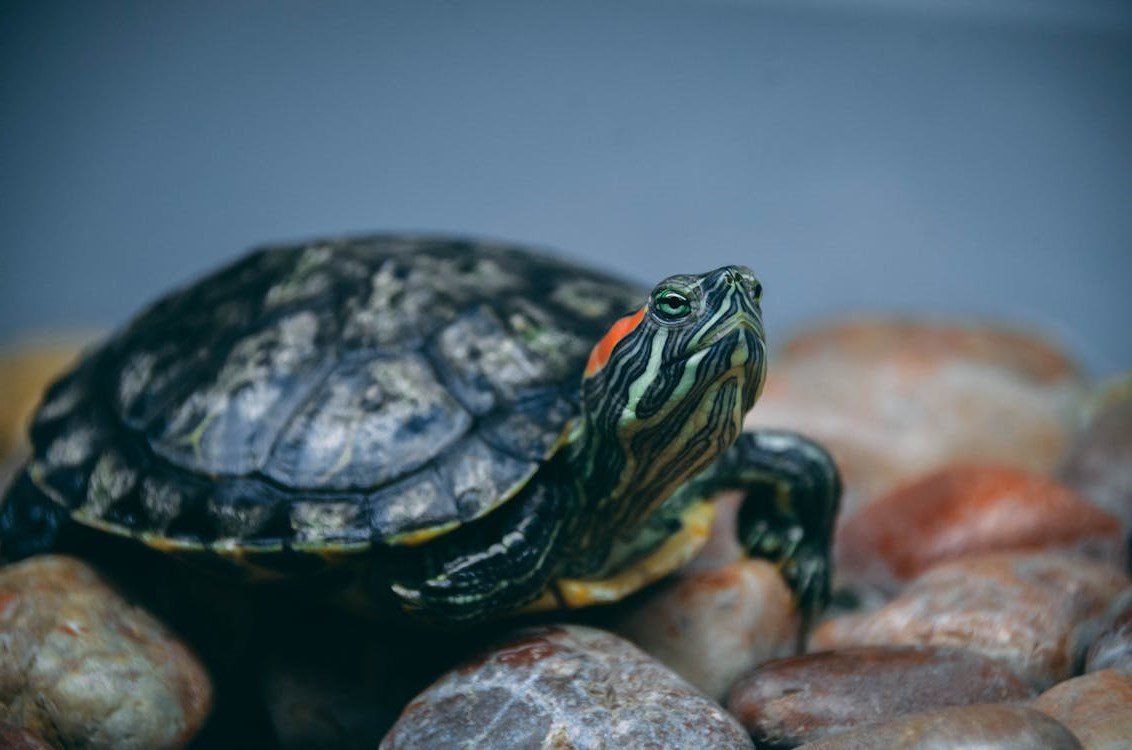
Overview
The Red Eared Slider gets its name from the bright red stripe behind each eye. These semi-aquatic turtles are one of the most common pet turtles in the world. They are active, personable, and can live for 20–30 years.
Hatchlings are often sold in tiny tanks at pet stores. But adult Red Eared Sliders grow to 10–12 inches and need very large setups. Many people underestimate this commitment.
Get the setup right before bringing one home. These turtles are far more demanding than they look.
Habitat & Housing
Tank size is the biggest challenge with Red Eared Sliders. Most setups are far too small.
| Turtle Size | Minimum Tank |
|---|---|
| Hatchling | 20 gallons |
| Juvenile (4–6 inches) | 50–75 gallons |
| Adult female | 150–200 gallons |
A simple rule: 10 gallons of water per 1 inch of shell length.
Water temperature should be 74–78°F. Use a submersible aquarium heater with a guard cover — turtles can burn themselves on unprotected heaters.
Filtration must be strong. Turtles are extremely messy. Use a canister filter rated for 2–3 times the actual tank volume. Do 25–50% water changes every week.
Every slider needs a dry basking area they can fully climb onto. Basking temperature should be 85–95°F with a halogen or incandescent flood bulb above.
UVB lighting is required. Without it, the shell softens and deforms. Use a T5 HO 10.0 bulb positioned directly above the basking area.
Diet & Feeding
Red Eared Sliders are omnivores. Young turtles eat more protein. Adults eat mostly plants.
| Age | Protein | Vegetables |
|---|---|---|
| Hatchling to juvenile | 50% | 50% |
| Adult | 25% | 75% |
Good protein sources: high-quality turtle pellets (Mazuri, Reptomin), earthworms, and shrimp.
Good vegetables: dark leafy greens like collard greens, romaine lettuce, and dandelion greens.
Feed juveniles daily. Feed adults 2–3 times a week. Feed in a separate tub to keep the main tank cleaner.
Leave a cuttlebone in the tank. The turtle will bite off small pieces to get calcium.
Health & Common Issues
A healthy slider has clear eyes, a firm shell, and swims actively. It comes to the surface eagerly at feeding time.
Shell rot causes soft, dark, or smelly spots on the shell. It is caused by poor water quality. Improve filtration and water changes. See a vet for treatment.
Respiratory infections cause the turtle to tilt to one side while swimming. This happens when the water is too cold. A vet visit is needed.
Metabolic Bone Disease causes a soft shell. It is caused by not enough UVB or calcium. Always use a proper UVB bulb and offer cuttlebone.
Important: Always wash hands thoroughly after handling turtles. Turtles commonly carry Salmonella bacteria.
Handling & Temperament
Red Eared Sliders become quite tame over time. They recognize their owners and swim to the glass at feeding time. They are primarily watch-and-enjoy pets rather than handling pets.
Keep handling sessions short. Turtles stress when out of water for too long. Bring them back to their tank after a few minutes.
Never release pet turtles into the wild. Red Eared Sliders are invasive in many countries. They harm local wildlife and cannot be safely released.
Cost & Commitment
| Item | Cost |
|---|---|
| Slider (hatchling) | $10–$30 |
| 150+ gallon tank | $300–$800 |
| Canister filter | $80–$200 |
| UVB fixture + basking bulb | $60–$120 |
| Monthly food | $15–$25 |
Red Eared Sliders live 20–30 years. The tank cost is high. The time commitment is significant. They are rewarding for dedicated owners.
Frequently Asked Questions
Can Red Eared Sliders live outside?
Yes, in warm climates. An outdoor pond is actually the ideal setup for adult sliders. Natural sunlight provides all the UVB they need, and ponds are easier to filter than aquariums.
How do I tell male from female?
Males have longer front claws and a longer, thicker tail. Females are usually larger overall.
Do Red Eared Sliders hibernate?
In nature, yes. Pet sliders kept at stable indoor temperatures do not need to hibernate. Outdoor sliders in cold climates may brumate naturally.
How often should I clean the tank?
Do 25–50% water changes every week. Clean filter media every month. Good filtration running 24/7 is essential — poor water quality is the #1 cause of illness in sliders.