
Russian Tortoise Care Guide for Beginners
Enclosure, UVB lighting, and a high-fiber diet for a long-lived Russian Tortoise — the most popular beginner tortoise in the hobby.
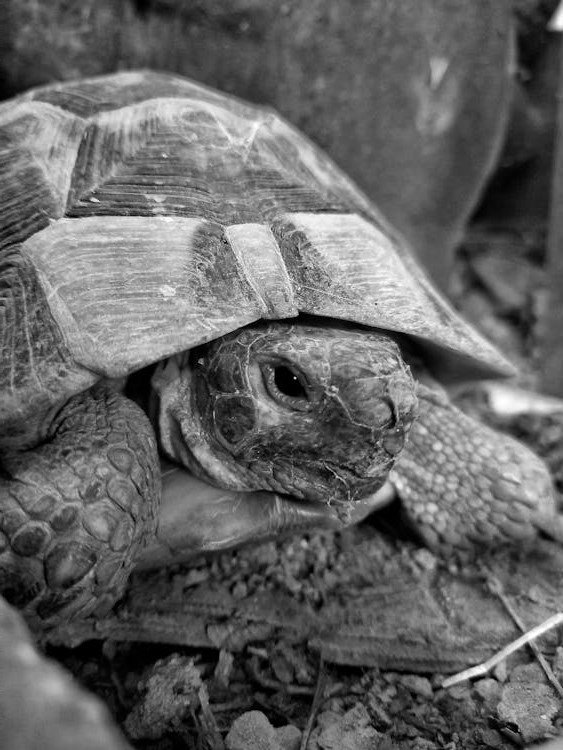
Overview
The Russian Tortoise is the most popular beginner tortoise — and for very good reasons. These small, feisty tortoises come from the dry steppes of Central Asia. They are hardy, active, and full of personality.
Adults only reach 6–9 inches. That makes them one of the most manageable tortoises to keep. They are bold, curious, and quickly learn to recognize their owners.
Russian Tortoises can live for 40–50 years or more. This is a very long commitment. Some pass from parent to child!
Habitat & Housing
A tortoise table (an open-topped wooden box) is the best indoor home. Glass terrariums trap heat and have poor airflow — avoid them.
Give at least 4 × 2 feet of floor space for one adult indoors. Outdoors, an 8 × 4 ft pen is the minimum.
Russian Tortoises are strong diggers and climbers. Outdoor walls must go 12 inches underground. The walls must also be tall enough that the tortoise cannot climb over.
| Zone | Temperature |
|---|---|
| Basking spot | 95–100°F |
| Warm ambient | 80–85°F |
| Cool end | 70–75°F |
| Night minimum | 60–65°F |
UVB lighting is required for indoor tortoises. Use a T5 HO 10.0 linear tube. Natural sunlight outdoors is even better. Even 30 minutes of direct outdoor sun daily makes a real difference.
Give at least 4–6 inches of substrate (50% topsoil, 50% playsand) so the tortoise can burrow.
Diet & Feeding
Russian Tortoises are strict plant eaters. They evolved on dry grasses and tough weeds — not salad or vegetables.
Best foods:
- Grasses and hay (Timothy, orchard grass)
- Dandelion leaves and flowers — one of the best foods
- Collard greens and mustard greens
- Weeds from pesticide-free areas (plantain weed, clover)
Avoid: fruit (too much sugar), any animal protein, spinach in large amounts, and commercial pellets as a main diet.
Dust food with calcium powder 3 times a week for growing tortoises. Leave a cuttlebone in the enclosure for free-choice calcium.
Soak juveniles in shallow warm water 2–3 times a week. Adults benefit from a weekly soak. This keeps them hydrated and helps them pass droppings.
Health & Common Issues
A healthy Russian Tortoise has bright clear eyes, a firm shell, and walks with its belly raised off the ground. It is active and alert during warm hours.
Runny Nose Syndrome (RNS) is the most serious health risk. Nasal discharge and lethargy are the signs. It is caused by Mycoplasma bacteria and is highly contagious. See a vet immediately and quarantine any new tortoise for 4 weeks before introducing it.
Metabolic Bone Disease causes a soft or deformed shell. It is caused by not enough UVB or calcium. Prevent it with proper lighting and supplementation.
Pyramiding is the stacking of shell scutes into sharp ridges. It is caused by too much protein and not enough fiber and humidity during growing years. A grass-and-weed diet prevents it.
Handling & Temperament
Russian Tortoises are bold and interactive. Many will follow their owner around, accept hand-feeding, and investigate everything in their environment. They are genuinely engaging to keep.
Support the full body when picking up a tortoise. Never dangle it by the shell. Wash hands after every interaction.
Never flip a tortoise on its back. Tortoises can suffocate if they cannot right themselves.
Cost & Commitment
| Item | Cost |
|---|---|
| Russian Tortoise (captive-bred) | $100–$250 |
| 4×2 ft tortoise table | $80–$200 (or DIY) |
| T5 HO UVB fixture + bulb | $60–$120 |
| Monthly food (mostly weeds and greens) | $5–$15 |
Russian Tortoises live 40–50+ years. Food costs are very low. The space and setup cost is the main investment.
Frequently Asked Questions
Do Russian Tortoises need to hibernate?
Captive-bred Russian Tortoises can be kept active year-round indoors without hibernation. A 2–3 month cooling period in winter (50–60°F) is optional but thought to support long-term health.
Can two Russian Tortoises live together?
Two females may coexist in a large outdoor pen. Two males will fight constantly. Never house males together.
What does a healthy Russian Tortoise look like?
Bright clear eyes, a firm shell with no soft spots, walks with belly clearly off the ground, and has a healthy appetite when warm.
How much should my tortoise eat each day?
Offer a portion roughly the size of the tortoise’s head — mostly grasses and leafy weeds. Offer fresh food daily and remove what is not eaten.