
Ball Python Care Guide for Beginners
Master ball python care: enclosure setup, feeding schedule, humidity needs, and safe handling tips for this docile beginner snake.
Overview
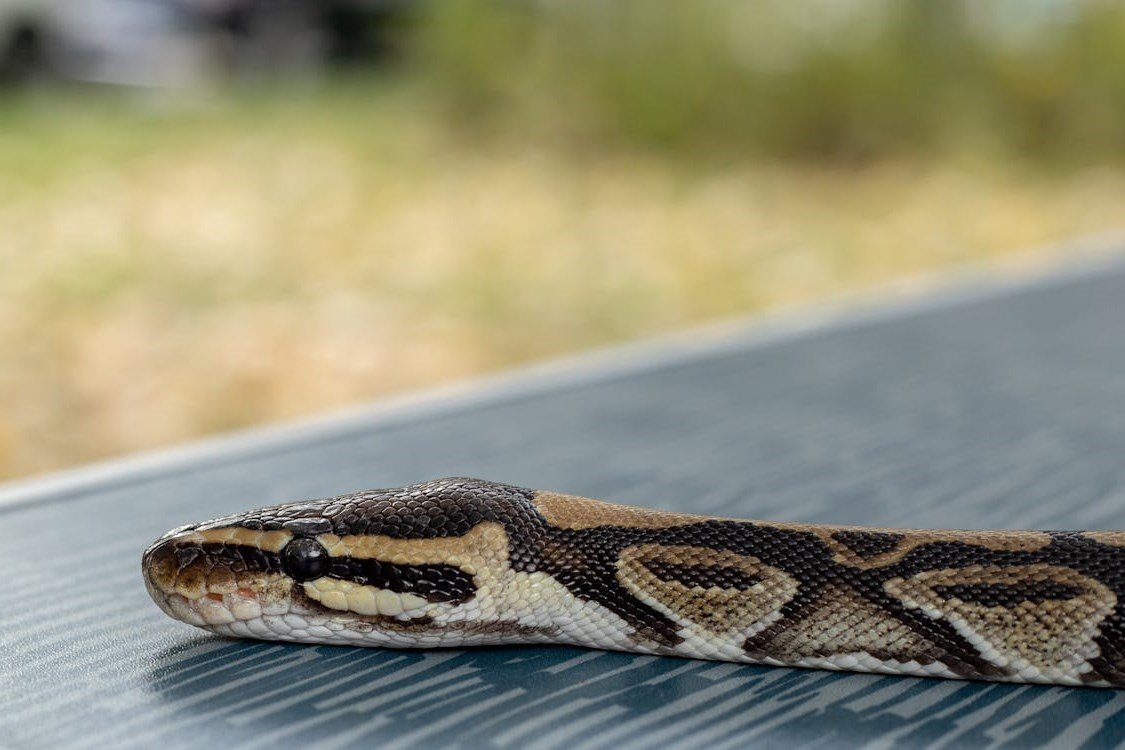
The Ball Python is a snake from Africa. It is one of the most popular pet snakes in the world. They are calm and easy to handle.
Adult ball pythons grow to about 3–5 feet long. They can live for 20–30 years. That is a long time, so think carefully before getting one.
They curl into a ball when scared. That is how they got their name. They are mostly active at night.
Habitat & Housing
A young ball python needs a 20-gallon tank. A grown-up ball python needs a bigger home — at least 4 feet wide and 2 feet deep. More space is always better.
Ball pythons need a warm side and a cool side in their tank. The warm side should be 88–92°F. The cool side should be 76–80°F.
You must use a thermostat with your heater. Without one, the tank can get too hot. A too-hot tank can seriously hurt your snake.
Humidity is very important. Keep it between 60–80%. Dry air causes bad sheds. Use a damp hide filled with wet moss to help.
Good substrates (floor material) include coconut fiber or cypress mulch. Never use pine or cedar — they are toxic to snakes.
Give your snake at least two hides. One goes on the warm side. One goes on the cool side.
Diet & Feeding
Ball pythons eat mice and rats. Always use frozen-thawed prey. Live prey can bite and hurt your snake.
To thaw frozen prey, soak it in warm water for 20–30 minutes. It should feel warm all the way through. Never use a microwave.
| Snake Size | What to Feed | How Often |
|---|---|---|
| Baby | Fuzzy mouse | Every 5–7 days |
| Juvenile | Adult mouse or small rat | Every 7 days |
| Adult | Medium rat | Every 10–14 days |
Ball pythons sometimes stop eating. This is normal. It often happens in winter or after moving to a new home. A healthy adult can go months without eating.
Health & Common Issues
A healthy ball python has smooth scales and clear eyes. It is active at night. It eats regularly.
Stuck shed happens when the skin does not come off in one piece. This is usually caused by low humidity. Soak your snake in warm water for 20 minutes to help.
Respiratory infections cause wheezing and mucus. They happen when the tank is too cold or too wet. See a vet right away.
Mites are tiny bugs that live on your snake. You will see small moving dots near the water dish. Treat with a reptile-safe product and clean the whole tank.
Find a reptile vet before you need one. Not all vets know how to treat snakes.
Handling & Temperament
Ball pythons are gentle and easy to hold. Young snakes may be a little shy at first. They will calm down with regular, gentle handling.
Wait 48–72 hours after feeding before you handle your snake. Handling too soon can cause regurgitation. That is very stressful for the snake.
Always support the snake’s whole body. Never grab from above — that feels like a predator attack. Wash your hands before and after every handling session.
Cost & Commitment
| Item | Cost |
|---|---|
| Snake | $50–$150 |
| 4×2 ft enclosure | $200–$400 |
| Thermostat | $40–$80 |
| Monthly food | $10–$20 |
Ball pythons live 20–30 years. This is a big, long commitment. Make sure you are ready before you bring one home.
Frequently Asked Questions
Is a Ball Python good for beginners?
Yes! They are one of the best starter snakes. They are calm, small, and hardy. They are a great choice if you want to learn about snake care.
Why won’t my Ball Python eat?
First check the temperature and humidity in the tank. These are the most common reasons for not eating. If your snake looks healthy and has not lost weight, it is usually fine.
How often do Ball Pythons shed?
Young snakes shed every 4–6 weeks. Adults shed every 6–12 weeks. Their eyes turn cloudy and blue a week or two before the shed.
Can two Ball Pythons live together?
No. Ball pythons must live alone. Keeping two together causes stress and can lead to injury.