
Leopard Gecko Care Guide for Beginners
Everything you need to know about leopard gecko care: tank setup, heating, live insects, and handling this docile beginner-friendly lizard.
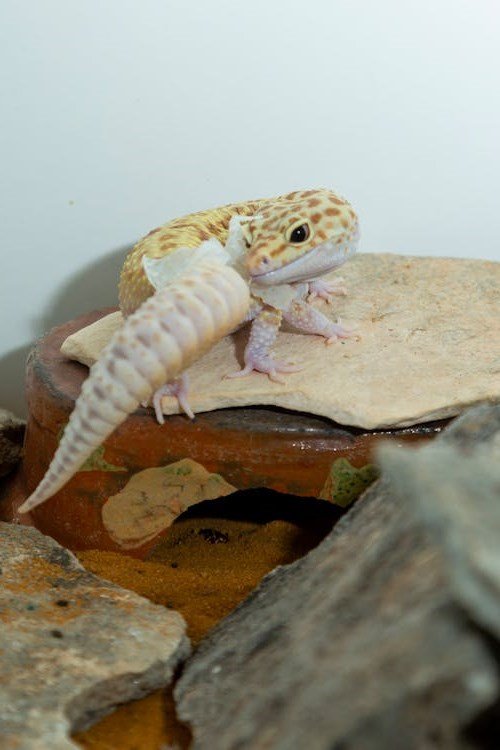
Overview
The Leopard Gecko is a small lizard from the rocky deserts of Pakistan and Afghanistan. It is one of the best reptiles for beginners. They are gentle, quiet, and easy to care for.
Adults grow to about 7–10 inches long. They can live for 15–20 years. They have movable eyelids, which makes them look very expressive and cute.
Leopard geckos are active at night. They sleep during the day and come out to hunt in the evening. This makes them great for people who are busy during the day.
Habitat & Housing
One adult leopard gecko needs a 20-gallon long tank at minimum. A 40-gallon tank is much better. More space means a happier gecko.
Leopard geckos need belly heat from an under-tank heater (UTH). Always connect it to a thermostat. Without a thermostat, the pad can reach dangerous temperatures.
| Zone | Temperature |
|---|---|
| Warm hide (surface) | 88–92°F |
| Cool side | 72–78°F |
| Night minimum | 65–70°F |
Give your gecko three hides. One on the warm side. One humid hide in the middle (filled with damp moss). One on the cool side. These keep your gecko secure and help with shedding.
Use tile or paper towel as floor material. Avoid loose sand — geckos can accidentally eat it and get very sick.
Diet & Feeding
Leopard geckos only eat insects. They do not eat vegetables or fruit.
| Age | How Often | How Much |
|---|---|---|
| Baby (0–4 months) | Every day | Eat for 10–15 minutes |
| Juvenile (4–12 months) | Every other day | 6–8 insects |
| Adult | Every 2–3 days | 5–7 insects |
The best foods are dubia roaches and crickets. Mealworms are fine as an occasional treat. Waxworms are very fatty — only give them rarely.
Dust insects with calcium powder 4–5 times a week. Add a multivitamin once a week. Leave a small dish of calcium powder in the tank so your gecko can help itself.
Health & Common Issues
A healthy leopard gecko has a thick, rounded tail. The tail stores fat — it is a good sign of health. Bright eyes, smooth skin, and regular eating are also good signs.
Stuck shed happens when the skin does not come off fully. A humid hide with wet moss prevents most stuck sheds. If shed stays on the toes, it can cut off blood flow — check after every shed.
Metabolic Bone Disease (MBD) causes shaking, rubbery jaw, and weak limbs. It is caused by not enough calcium or vitamin D3. It is easy to prevent with the right supplements.
Cryptosporidiosis is a serious gut infection. It causes weight loss even when the gecko is eating. There is no cure — any new gecko should be checked by a vet.
Handling & Temperament
Leopard geckos are very gentle. They rarely bite. Most become comfortable with handling quickly.
Let your new gecko settle in for 1–2 weeks before you start handling. Always pick it up from the side, not from above. Approach from above feels like a predator attack.
Never grab the tail. Leopard geckos can drop their tails when scared. The tail grows back, but it looks different. Handle gently and the tail will stay on.
Cost & Commitment
| Item | Cost |
|---|---|
| Gecko (captive-bred) | $30–$80 |
| 40-gallon tank + lid | $80–$150 |
| Under-tank heater + thermostat | $30–$60 |
| Monthly insects | $10–$20 |
Leopard geckos live 15–20 years. They are a long-term pet. They do not need a lot of attention, but they do need a correctly set up home.
Frequently Asked Questions
Can I keep two Leopard Geckos together?
Two females may share a large tank, but watch closely for bullying. Never keep two males together — they will fight. A male and female will breed, so keep them separate unless that is your plan.
Why won’t my Leopard Gecko eat?
First check that the warm hide surface is 88–92°F. A cold tank shuts down the gecko’s appetite completely. New geckos may also skip meals for 1–2 weeks while settling in.
What does it mean if my gecko licks everything?
This is totally normal. Geckos use their tongue to smell and explore the world around them.
How do I know if my gecko is sick?
A thin or bony tail is the first warning sign. Also look for dull eyes, rough skin, or not eating for more than 2–3 weeks.