
Chinchilla Care Guide for Beginners
Cool temperatures, dust baths, and a high-fiber diet for a healthy Chinchilla — a soft, active, and long-lived pet for dedicated owners.
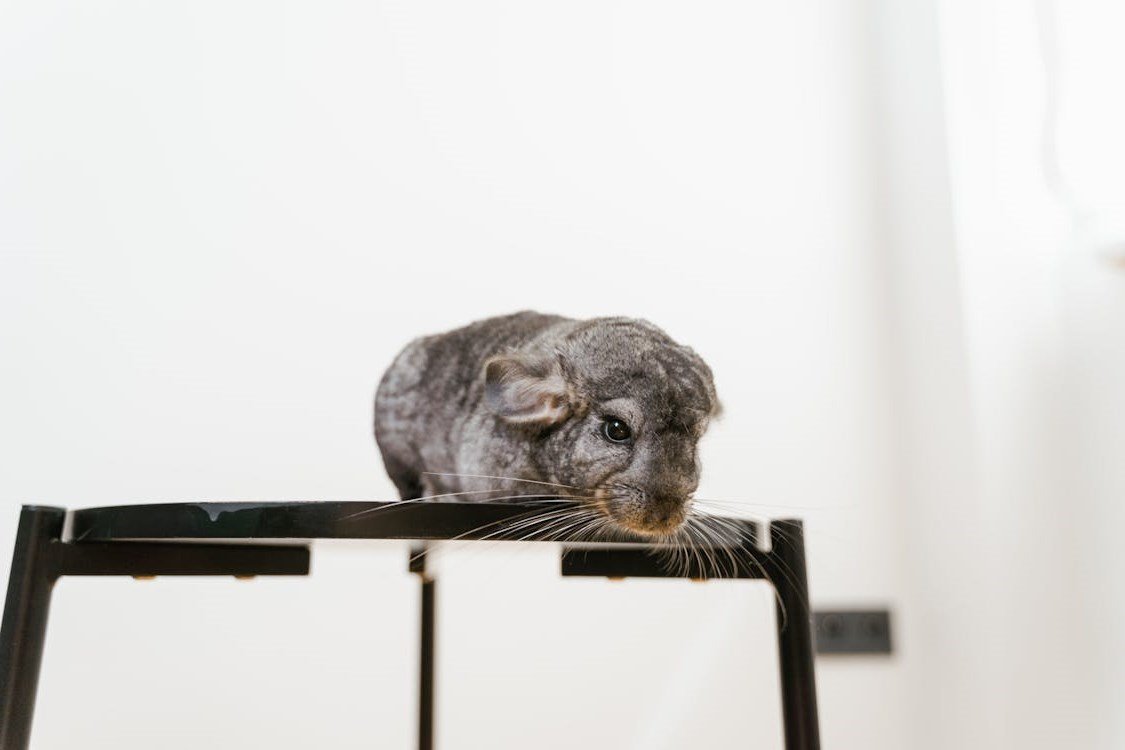
Overview
The Chinchilla is native to the high Andes mountains of South America. It has the softest, densest fur of any land animal — up to 60 hairs grow from each single follicle. This is what makes them so velvety to touch.
Chinchillas are crepuscular — most active at dawn and dusk. They are highly energetic, love to jump and climb, and can live an extraordinary 10–20 years. They are one of the longest-lived small pets you can own.
They are not ideal for young children or owners who want a cuddly lap pet. They are quick, delicate, and prefer to move freely. For patient owners who interact on the chinchilla’s terms, they are deeply rewarding.
Habitat & Housing
Chinchillas are very athletic. They jump, run, and climb constantly during their active hours. They need a tall, multi-level cage.
- Minimum: 24 × 24 × 48 inches tall
- Recommended: 36 × 24 × 48 inches or larger
Temperature is the most critical factor. Chinchillas will die from heatstroke above 75°F if humidity is also high.
- Keep the room between 60–70°F at all times
- Never exceed 75°F
- Air conditioning in summer is often necessary
Use powder-coated metal wire cages. All platforms should be metal or kiln-dried wood — never plastic, which chinchillas chew and swallow.
Use paper-based bedding (Carefresh) or kiln-dried pine/aspen shavings on the cage floor. Avoid cedar (toxic).
Provide a solid-surface exercise wheel at least 15 inches wide. Flying saucer style wheels are popular for chinchillas.
Diet & Feeding
Chinchillas evolved on very dry, low-nutrition grasses and shrubs. Their diet must be simple, dry, and high in fiber.
| Food | Amount |
|---|---|
| Timothy hay | Unlimited — always available |
| High-quality chinchilla pellets | 1–2 tablespoons per day |
| Fresh water | Unlimited (bottle preferred) |
Treats (very rarely — once or twice a week):
- Tiny piece of dried rosehip or chamomile flower
- Tiny piece of dried apple (no seeds)
Do not feed any fresh or wet food. Chinchilla digestive systems cannot handle fresh vegetables, fruit, or anything with moisture. It causes diarrhea that can be fatal.
This surprises most new owners. But chinchilla guts evolved for completely dry food. Stick to hay and pellets.
Dust Baths
This is non-negotiable. Chinchillas must have dust baths 2–3 times per week.
Their dense fur can grow mold and fungal infections if it gets wet. Dust baths absorb oils and moisture instead.
- Use chinchilla-specific volcanic dust (Blue Cloud brand is popular)
- Provide a bath house or container big enough to roll in
- Leave for 10–15 minutes, then remove the bath
- Never leave the bath in the cage permanently — chinchillas will toilet in it
Never give a chinchilla a water bath. Their fur takes many hours to dry and fungal infections can develop.
Health & Common Issues
A healthy chinchilla has silky, dense (not clumped) fur, is active at dawn and dusk, and produces dry round droppings.
Heatstroke is the most urgent danger. Signs: rapid breathing, ears very red, lying flat and limp. Move to a cool area immediately. This is a veterinary emergency.
Dental disease is very common. Drooling (“slobbers”), weight loss, and pawing at the mouth are the signs. Caused by insufficient hay. Vet treatment required; hay every day prevents it.
Fur chewing (chewing its own fur into patches) is a stress behavior. It usually means the chinchilla is lonely, bored, or in a too-hot environment.
Handling & Temperament
Chinchillas are quick and initially skittish. They are not lap animals — they prefer to move and explore.
Never grab a chinchilla. Let it walk onto your hand voluntarily. Hold with both hands supporting the body.
Fur slip: Chinchillas can release a patch of fur as a defense. The fur takes weeks to regrow. Avoid grabbing the coat.
The best enrichment: supervised free-roaming time in a chinchilla-proofed room. It is the best exercise and mental stimulation you can give.
Cost & Commitment
| Item | Cost |
|---|---|
| Pair of chinchillas | $100–$200 |
| Large multi-level cage | $150–$400 |
| Monthly hay + pellets | $20–$30 |
| Chinchilla dust (monthly) | $5–$10 |
Chinchillas live 10–20 years. This is a serious, very long-term commitment. They are ideal for dedicated owners who enjoy an active, engaging small animal.
Frequently Asked Questions
Can a single Chinchilla be kept alone?
Chinchillas are social and do better in same-sex pairs. A solo chinchilla needs 2+ hours of focused human interaction every day to stay mentally healthy. Bonded pairs are much happier.
Can Chinchillas get wet?
Water baths are strongly discouraged. Their fur takes hours to dry and is prone to fungal infections. Dust baths are the correct way to keep their coat healthy.
How do I know if my Chinchilla is too hot?
Signs: rapid shallow breathing, very red ears, lying flat and limp, lethargy. This is an emergency. Move to a cool air-conditioned room immediately and contact a vet.
Do Chinchillas need a companion?
Yes, ideally. Lone chinchillas can become depressed, develop fur chewing, and have shorter lives. Bonded pairs introduced young are usually very stable companions.