
Hognose Snake Care Guide for Beginners
Setup, feeding, and temperament tips for the charismatic Hognose Snake — the most theatrical beginner snake with a harmless personality.
Overview
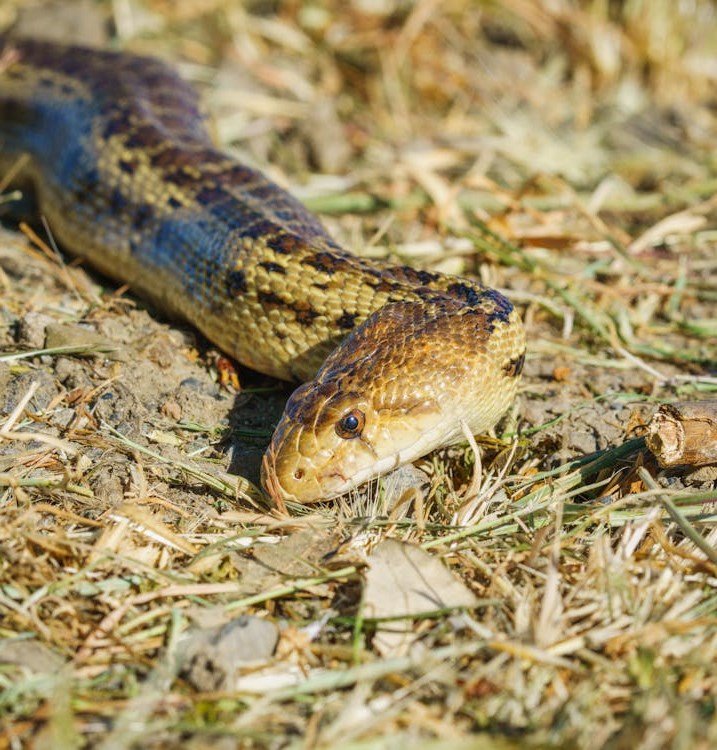
The Western Hognose Snake is the most dramatic reptile you will ever meet. When scared, it hisses, flattens its body, and makes mock strikes. If that does not work, it rolls over and plays dead — complete with dangling tongue.
None of this is real danger. Hognose snakes are nearly harmless to humans. Their “venom” is very mild — less dangerous than a bee sting for most people.
Adults grow to 18–24 inches (females are larger than males). They live for 15–20 years. They are entertaining, beautiful, and fun to keep.
Habitat & Housing
Males and juveniles do fine in a 20-gallon tank. Adult females need a 40-gallon tank. Hognose snakes love to burrow, so give them 4–6 inches of loose substrate.
| Zone | Temperature |
|---|---|
| Warm side | 85–90°F |
| Cool side | 72–76°F |
| Night minimum | 65°F |
Use aspen shavings or a dry sand/soil mix (60:40) as bedding. These allow burrowing and stay dry, which matches the hognose snake’s natural arid grassland habitat.
Keep humidity around 40–60%. Add a moist hide with damp moss for shedding. Overly humid conditions cause respiratory problems in this species.
Diet & Feeding
Hognose snakes are the trickiest feeders among beginner snakes. They naturally eat toads, and some individuals stubbornly refuse mice.
To get them eating mice:
- Use frozen-thawed pinkies or fuzzies warmed to 100°F
- Rub the mouse with a toad-scented item to add a familiar smell
- Offer at night in a small paper bag or cup so the snake feels secure
- Try feeding in a dim, quiet room
Once a hognose eats mice a few times, most continue reliably. Always buy captive-bred hognose snakes — wild-caught ones almost never eat mice well.
Feed juveniles every 5–7 days. Feed adults every 7–10 days.
Health & Common Issues
A healthy hognose snake has a good body weight, smooth scales, and eats regularly. Captive-bred hognose snakes are usually very healthy.
Feeding refusals are the most common challenge. Captive-bred snakes from reputable breeders eat far more reliably than wild-caught ones. Always buy captive-bred.
Respiratory infections cause wheezing and mucus. They happen in cold or too-damp conditions. See a vet.
Stuck shed is prevented by a moist hide and normal humidity. If shed is stuck, soak in warm water for 20–30 minutes.
Handling & Temperament
Hognose snakes are handleable but put on quite a show when first touched. When a hognose snake flattens its neck, hisses, and makes bluff strikes — it is all theater. They almost never actually bite.
Give new hognose snakes 2 weeks to settle before regular handling. Approach calmly and slowly. Short 10–15 minute sessions work best at first.
Most captive-bred hognose snakes become calm, curious, and very pleasant to handle over time. The dramatic defensive behavior fades once they trust you.
Cost & Commitment
| Item | Cost |
|---|---|
| Hognose (captive-bred) | $100–$250; morphs $150–$600+ |
| 20-gallon tank + lid | $60–$120 |
| Under-tank heater + thermostat | $30–$60 |
| Monthly feeders | $8–$15 |
Hognose snakes live 15–20 years. They are a moderate cost to maintain and provide endless entertainment.
Frequently Asked Questions
Are Hognose Snakes venomous?
Technically yes, but practically no danger to humans. Their mild rear-fang venom is mainly effective on toads. Human bites rarely cause more than a little swelling. They are considered completely safe pets.
Why does my Hognose play dead?
Playing dead (thanatosis) is a hard-wired defense against predators. It is 100% normal and not a sign of illness. Set the snake down and it will “recover” once it feels safe. It is one of the most remarkable things in the animal world.
Should I buy captive-bred or wild-caught?
Always captive-bred. Wild-caught hognose snakes are heavily stressed and full of parasites. They rarely eat mice reliably and have a much lower quality of life in captivity.
What if my Hognose Snake bites me?
Wash the area with soap and water. The bite is minor. Some people get mild swelling from the saliva — monitor for unusual reactions and see a doctor if concerned.