
Crested Gecko Care Guide for Beginners
Crested gecko care made simple: arboreal enclosure, temperature needs, CGD diet, and handling tips for these gorgeous low-maintenance lizards.
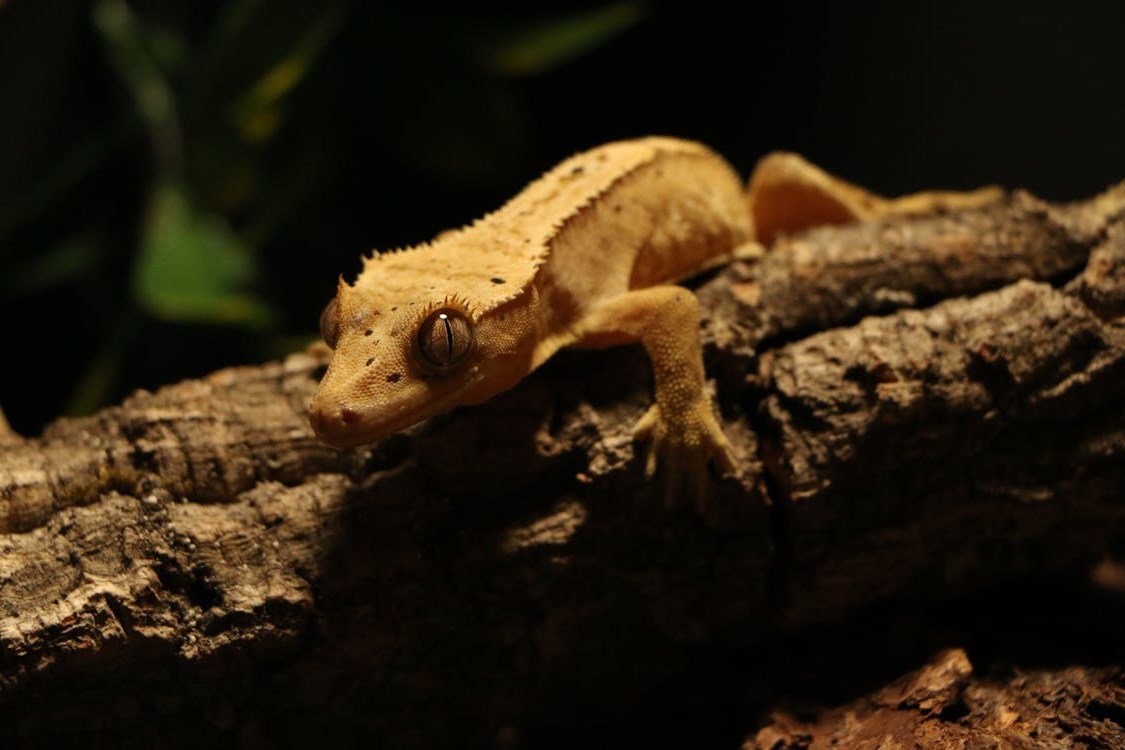
Overview
The Crested Gecko was thought to be extinct until it was rediscovered in 1994. Today it is one of the most popular pet reptiles in the world. They have soft, velvety skin, eyelash-like crests, and can walk on glass with their special toe pads.
Crested geckos are perfect for people who want a beautiful lizard that is easy to feed and does not need high temperatures. If your home stays between 68–78°F, they may not need any heating at all.
Adults grow to 6–9 inches and live 15–20 years. They are active at night and spend their days sleeping in plants and cork bark.
Habitat & Housing
Crested geckos are climbers, so the enclosure needs to be tall. Height matters more than width.
| Age | Minimum Enclosure |
|---|---|
| Small juvenile | 12 × 12 × 18 inches tall |
| Adult | 18 × 18 × 24 inches tall |
Fill the tank with cork bark tubes, fake or real plants (Pothos and Philodendron are great), and bamboo vines. The more cover you add, the more active and comfortable your gecko will be.
Temperature is critical. Crested geckos are harmed by heat above 80°F. If your room gets hot in summer, use a fan or air conditioning. Never let the tank exceed 80°F.
| Zone | Temperature |
|---|---|
| Daytime | 72–78°F |
| Nighttime drop | 65–72°F |
| Maximum safe | 80°F |
Mist one side of the tank lightly every evening. This gives your gecko water to drink from droplets on the leaves. The tank should mostly dry out during the day.
Diet & Feeding
Crested geckos are the easiest reptiles to feed. Their main food is a powder called Crested Gecko Diet (CGD). Repashy and Pangea are the two most popular brands.
Mix the powder with water until it looks like ketchup. Put it in a small cup at mid-to-upper height in the tank. Replace it every 2–3 days and remove uneaten food within 24 hours.
You can also offer 2–3 small live insects (like crickets or small roaches) once or twice a week. This gives them exercise and enrichment. Dust the insects with calcium powder before offering.
Health & Common Issues
A healthy crested gecko has a full, rounded body, grips surfaces strongly, and is active at night.
Floppy Tail Syndrome causes the tail to fall to the side when the gecko rests. It is caused by not having enough horizontal perches to rest on. Add more flat branches at different heights.
Stuck shed can trap the toes and cut off blood flow. Check the toes after every shed. Mist more frequently if shed is not coming off cleanly.
Dehydration shows up as sunken-looking flanks and wrinkled skin. Increase misting and add a shallow water dish.
Handling & Temperament
Crested geckos are quick and jumpy, but they are not aggressive. They like to “hand surf” — walking from one hand to the other without stopping.
Start with 5-minute sessions near a soft surface. Let the gecko walk between your hands. Never grab it or hold it still. Just keep moving your hands so it always has somewhere to walk.
Never grab the tail. Unlike leopard geckos, crested geckos cannot regrow their tail if it drops off. Handle gently and the tail will stay on.
Cost & Commitment
| Item | Cost |
|---|---|
| Gecko (captive-bred) | $50–$150 |
| 18×18×24 enclosure | $100–$200 |
| Plants + cork bark | $30–$60 |
| CGD powder (monthly) | $10–$20 |
Crested geckos live 15–20 years. They are low-maintenance and affordable to keep. They are a great choice for beginners who want something visually stunning.
Frequently Asked Questions
Do Crested Geckos need misting every day?
Yes. Light misting every evening gives them drinking water and keeps humidity at 60–80%. The tank should dry out during the day to prevent mold.
My gecko looks dark and dull during the day — is something wrong?
No! This is called being “fired down.” Crested geckos look duller during the day when resting. At night when active, they “fire up” and look bright and vivid. It is totally normal.
Can I keep two Crested Geckos together?
Two females can share a large tank, but males must always live alone. A male and female together will breed constantly, which stresses the female.
How do I know if my gecko is dehydrated?
Look for sunken sides and skin that looks pinched or wrinkled. Increase misting frequency and add a small water dish.