
Axolotl Care Guide for Beginners
Tank setup, cold water temperature, water quality, and diet for the Axolotl — the extraordinary aquatic salamander that never grows up.
Overview
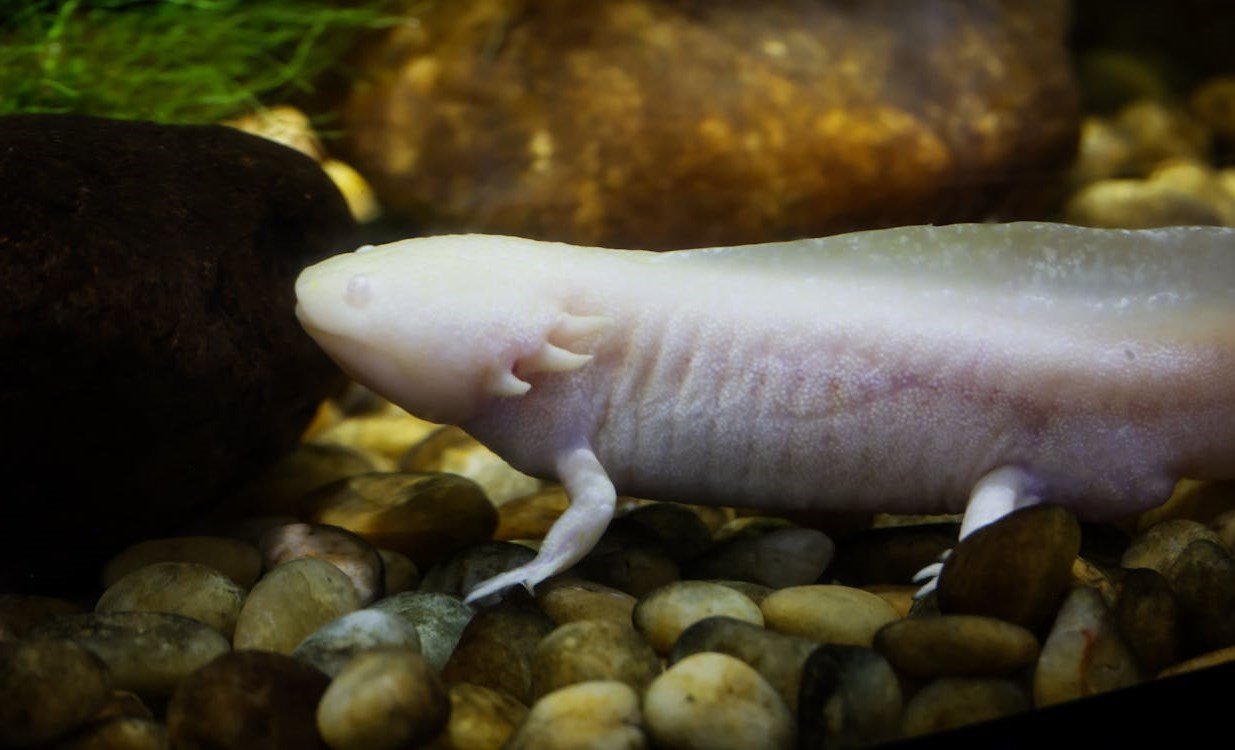
The Axolotl is one of the most amazing animals you can own. It is a salamander from Mexico City that never fully grows up. It keeps its gills and fins its whole life and always lives in water.
Axolotls can regrow their own limbs, parts of their heart, and even parts of their brain. No other animal quite like it exists in the world. They grow to 9–12 inches and live for 10–15 years.
They are calm, interesting to watch, and not too difficult to keep — as long as you keep the water cold and clean.
Habitat & Housing
One adult axolotl needs at least a 20-gallon long tank. Two axolotls need at least a 40-gallon tank.
Temperature is the most critical thing. The water must stay at 60–68°F. This is colder than most rooms. Above 72°F, your axolotl will get sick. Above 75°F is often fatal.
You will likely need a water chiller, especially in summer. A small fan blowing across the water surface can lower the temperature a few degrees in mild climates.
Axolotls need gentle water flow. Their feathery gills get damaged by strong currents. Use a sponge filter or point your filter output along the tank wall — not directly at the axolotl.
For the floor of the tank, use either bare bottom (easiest to clean) or large river stones that are bigger than the axolotl’s head. Do not use small gravel — axolotls will swallow it and get very sick.
Keep the light dim. Axolotls have no eyelids and dislike bright light. A low-level aquarium LED on a 12-hour timer works well.
Water Quality
| Parameter | Target |
|---|---|
| Temperature | 60–68°F |
| pH | 7.0–8.0 |
| Ammonia | 0 ppm |
| Nitrite | 0 ppm |
| Nitrate | Under 20 ppm |
Cycle your tank before adding an axolotl. This sets up the good bacteria that process waste. It takes 2–4 weeks. Do not skip this step. Test water weekly with a liquid test kit.
Change 20–30% of the water every week. Always treat tap water with a water conditioner to remove chlorine. Never use distilled water — it lacks the minerals axolotls need.
Diet & Feeding
Axolotls are carnivores that use powerful suction to gulp down prey. They have poor eyesight and hunt by sensing movement.
The best foods are:
- Earthworms (nightcrawlers) — the best possible staple food
- Sinking pellets (Hikari or Rangen) — convenient and nutritious
- Frozen bloodworms — good treat; not nutritious enough alone
- Blackworms — excellent live or frozen option
Feed young axolotls every day. Feed adults every 2–3 days. Use tongs to offer food. Remove anything not eaten within 20 minutes.
Be careful with your hands in the tank. Axolotls will lunge at anything that moves. Keep fingers away from their mouth during feeding.
Health & Common Issues
A healthy axolotl has full, fluffy gills that fan out beautifully. It is alert, responsive, and eats eagerly.
Fungal infections look like white fuzzy cotton on the gills or skin. They are caused by poor water quality. Improve water changes and treat with Indian almond leaves or aquarium-safe antifungal treatment.
Impaction means the axolotl swallowed something it cannot digest. This is why you must use bare bottom or large stones only. Signs are bloating and not eating.
Floating can mean trapped gas from swallowing air, or an infection. Reduce surface agitation and watch closely. See a vet if it continues.
Handling & Temperament
Do not handle axolotls. They are very delicate and their gills are easily damaged. Gently cupping in wet hands for quick tank maintenance is fine, but keep it brief.
Axolotls are interactive in their own way. They learn when feeding time is and will swim to the front of the tank when they see you coming.
Cost & Commitment
| Item | Cost |
|---|---|
| Axolotl | $25–$75 |
| 20-gallon tank + lid | $50–$100 |
| Canister filter | $40–$80 |
| Water chiller (if needed) | $80–$200 |
| Monthly food + water care | $10–$20 |
Axolotls live 10–15 years. They are a long-term commitment. The biggest ongoing costs are electricity for the chiller and weekly water changes.
Frequently Asked Questions
Does an Axolotl need a heater?
No — the opposite! Axolotls need cold water and may need a chiller to keep the tank at 60–68°F. Never add a heater to an axolotl tank.
Can Axolotls live with fish?
No. Fish nip at axolotl gills. Axolotls will also eat small fish. Keep them alone or with other axolotls of a similar size.
Do Axolotls need a lid?
Yes. Axolotls can and do jump out of open tanks at night. A secure lid prevents escapes.
Why are my Axolotl’s gills getting smaller?
Poor water quality and strong currents shrink gills over time. Clean water and gentle flow keep gills full and fluffy.