
Guinea Pig Care Guide for Beginners
Vitamin C, social needs, cage setup, and diet for happy Guinea Pigs — one of the best family small pets when given proper space and care.
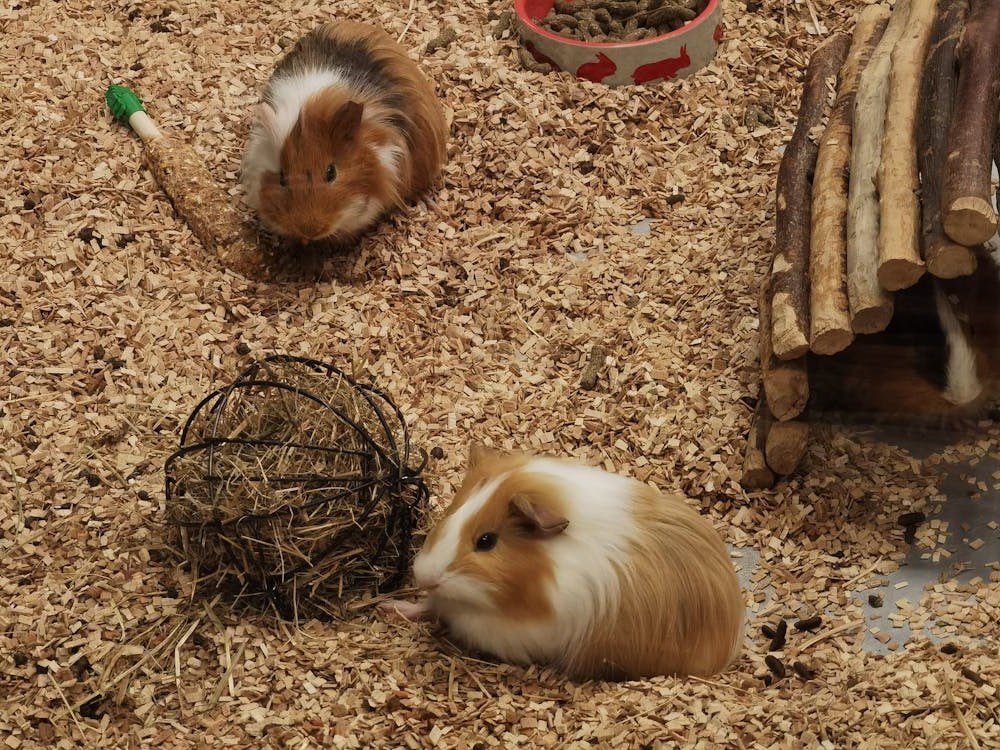
Overview
Guinea pigs are round, fluffy, and wonderfully loud. They squeak, purr, rumble, and jump for joy. These animals from South America are one of the most popular small pets for families.
Guinea pigs are very social animals. They must live with at least one other guinea pig. A guinea pig kept alone will be lonely and unhappy.
They are gentle and easy to handle. Guinea pigs rarely bite. They are great pets for children who learn how to handle them gently.
Habitat & Housing
Guinea pigs need more space than most pet store cages provide. Here is the minimum you need:
| Number of Guinea Pigs | Minimum Floor Space |
|---|---|
| 2 | 10.5 square feet |
| 3–4 | 13+ square feet |
The best type of cage is a C&C cage (cubes and coroplast panels). These are cheap to build, easy to clean, and can be made as big as you like. A 2×4 grid base is the minimum for two guinea pigs.
Always use solid flooring. Wire-bottom cages hurt guinea pigs’ feet. Use soft paper-based bedding like Carefresh — at least 2–3 inches deep.
Keep the cage in a room that stays between 65–75°F. Guinea pigs get heatstroke easily above 80°F. Keep them away from direct sunlight and heat vents.
Diet & Feeding
Guinea pigs cannot make their own vitamin C. They must get it every single day or they will get scurvy. This is the most important thing to know about guinea pig nutrition.
| Food | Amount |
|---|---|
| Timothy hay (adults) | Unlimited — always available |
| Fresh vegetables | 1 cup per guinea pig per day |
| Timothy-based pellets | ⅛ cup per guinea pig per day |
| Fresh water | Unlimited — in a heavy ceramic bowl |
The best vitamin C foods are bell peppers (highest of any vegetable!), parsley, cilantro, kale, and broccoli. A slice of bell pepper every day goes a long way.
Other good vegetables: romaine lettuce, cucumber, zucchini, and dandelion greens.
Do not feed: iceberg lettuce (no nutrition), muesli pellet mixes, potato, rhubarb, onion, garlic, avocado, or large amounts of fruit.
Do not put vitamin C drops in the water. Vitamin C breaks down very fast in water. Fresh vegetables are the reliable way to give it.
Health & Common Issues
A healthy guinea pig is active, social, makes happy noises, and eats hay constantly. They should also “popcorn” — jump and twist in the air when excited. This is a great sign!
Scurvy (vitamin C deficiency) causes swollen joints, rough fur, and weakness. It happens fast. Give more bell pepper and fresh greens immediately. Recovery is quick when caught early.
Respiratory infections are serious in guinea pigs. Sneezing, runny nose, and lethargy need a vet visit right away. Guinea pigs can decline quickly when sick.
Dental problems happen when guinea pigs do not eat enough hay. Their teeth grow non-stop and must wear down. Signs include drooling, weight loss, and not eating. Hay every day prevents this.
Handling & Temperament
Guinea pigs are gentle and rarely bite. They usually make a protesting squeak when first picked up, then settle down quickly.
Always use two hands. Place one under the bottom and one around the body. Hold close to your chest so they feel safe. Never hold by just the front — always support the bottom too.
Guinea pigs enjoy being petted on the head and back. Many will purr (a soft, vibrating sound) when they feel happy and content. This is a wonderful sound!
Cost & Commitment
| Item | Cost |
|---|---|
| 2 guinea pigs (from rescue) | $20–$60 |
| 2×4 C&C cage | $50–$80 (DIY) |
| Monthly hay + pellets + bedding | $30–$50 |
| Annual vet visit | $50–$150 |
Guinea pigs live 5–7 years. They need daily fresh vegetables, constant hay, and your company. They are wonderful pets that give a lot back.
Frequently Asked Questions
Can a guinea pig live alone?
No. Guinea pigs are herd animals and suffer alone. Switzerland actually requires guinea pigs to have a companion by law. Always keep at least two.
Why does my guinea pig squeak so loudly when I open the fridge?
Guinea pigs learn to recognize the sounds of food prep. That loud squeak (called “wheeking”) is pure excitement. It is one of the most endearing things about them!
How much vitamin C does a guinea pig need?
About 10–30 mg per day. Half a slice of bell pepper provides around 10–15 mg. Feed fresh vegetables every day and you will easily hit this target.
Do guinea pigs and rabbits make good cage-mates?
No. Rabbits can accidentally kick and injure guinea pigs. They also have different communication styles. Keep them in separate enclosures.