
Guinea Pigs Care Guide for Beginners
Caring for multiple Guinea Pigs: group housing, social dynamics, shared diet needs, and how to introduce new guinea pigs to an existing group.
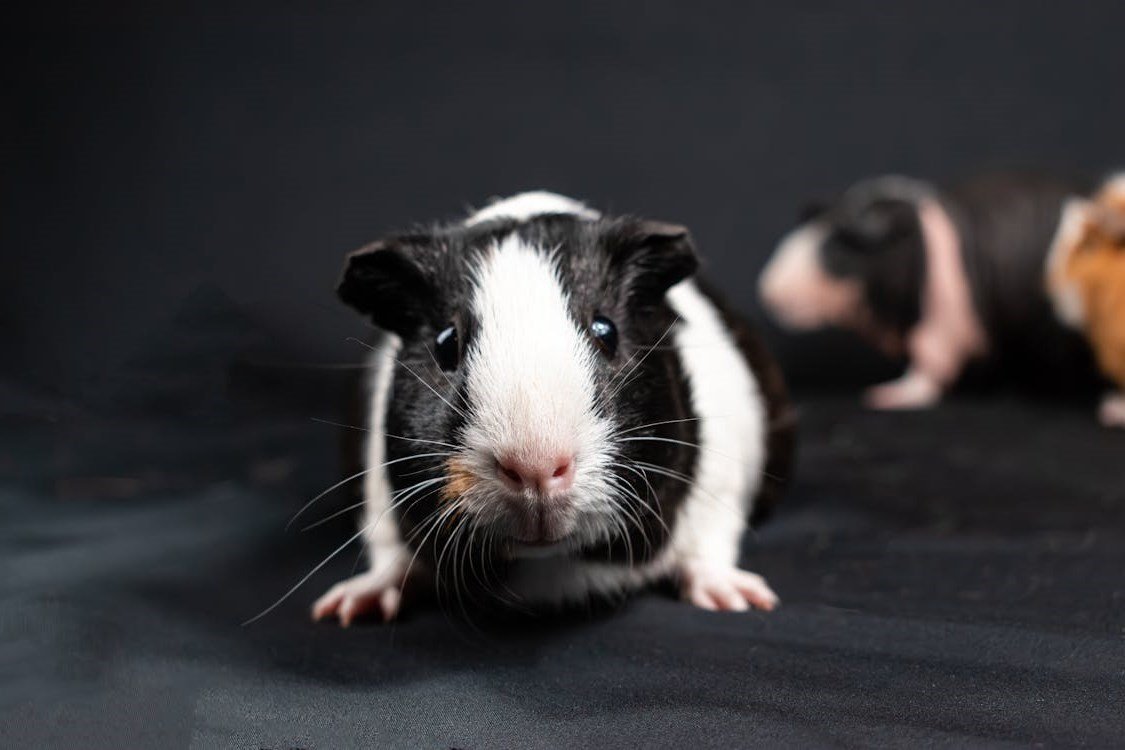
Overview
Guinea pigs are herd animals. In the wild, they live in groups of 5–10 animals. They are happiest with companions — two is the minimum, and three or four is even better.
Keeping multiple guinea pigs together is not just nice for them — it is essential for their wellbeing. A guinea pig kept alone will be lonely, quiet, and unhappy.
This guide focuses on the special things to know when keeping two or more guinea pigs together: space needs, group dynamics, introductions, and how to spot problems.
Habitat & Housing for Groups
Cage space must increase with group size. Do not squeeze more guinea pigs into a space designed for fewer.
| Group Size | Minimum Floor Space |
|---|---|
| 2 guinea pigs | 10.5 square feet |
| 3 guinea pigs | 13 square feet |
| 4 guinea pigs | 16 square feet |
| 5+ guinea pigs | Add ~3 sq ft per additional pig |
C&C cages (cubes and coroplast) are the best choice for groups. They are fully modular — you can expand them any time.
Provide multiple hides — more hides than guinea pigs so everyone has a choice. Use hides with two entrances so no single pig can block another pig in.
Set up multiple food and water stations across the cage. This stops dominant pigs from hogging all the resources.
Group Dynamics
Guinea pigs have a pecking order. Establishing it involves normal behaviors you do not need to stop:
- Rumble-strutting: rocking from side to side while making a low rumbling sound — this is normal dominance behavior
- Mounting: normal social behavior between both same-sex and mixed-sex guinea pigs
- Teeth chattering: a warning sign, normal in small doses
- Nose-bumping: social greeting
When to intervene: if one pig cannot access food or water, if blood is drawn, or if chasing never stops.
Best group combinations:
- Two or more females — usually the most peaceful
- A neutered male with two or more females
- Two neutered males (watch carefully — some pairs are fine, others fight)
Diet & Feeding for Groups
Every guinea pig needs the same things. When feeding groups, just scale up the portions.
| Food | Amount per pig |
|---|---|
| Timothy hay | Unlimited |
| Fresh leafy greens | 1 cup per day |
| Pellets | ⅛ cup per day |
| Vitamin C source | Daily (bell pepper is ideal) |
| Fresh water | Unlimited |
Place food bowls and water bowls in multiple locations around the cage. This way no dominant pig can guard all the food at once.
Introducing New Guinea Pigs
Never just put a new guinea pig directly into the existing group’s cage. This causes territorial fights.
The right way to introduce guinea pigs:
- Quarantine first — keep new pigs in a separate room for 2–4 weeks to check for illness
- Neutral territory meeting — introduce all pigs on a clean surface that none of them have been on before. A large plastic bin works well.
- Watch for normal vs. abnormal behavior — some chasing and rumble-strutting is normal. Biting and blood are not.
- Move to a freshly cleaned, rearranged cage — this removes territorial scents and gives everyone a fresh start
Health in Groups
Watching a group of guinea pigs makes it easier to spot illness early. A pig that stops eating, separates from the group, or is being pushed away from food is often sick.
Parasites spread fast in groups. If one pig has mites, treat the whole group at the same time.
Respiratory infections are very contagious. Isolate a sneezing pig immediately. See a vet the same day.
Weigh each guinea pig weekly. A 50g+ weight loss in a week is a warning sign — even if the pig seems to eat. Dental problems often go unnoticed in group settings until the pig has lost a lot of weight.
Cost & Commitment
| Item | Cost |
|---|---|
| 4 guinea pigs (rescue) | $40–$120 |
| Large 2×6 C&C cage | $80–$130 (DIY) |
| Monthly hay + pellets + bedding | $60–$80 for a group of 4 |
| Annual vet | $150–$300 for a group |
Guinea pigs live 5–7 years. A group of four is a significant ongoing commitment — but also four times the joy.
Frequently Asked Questions
Can I add a new guinea pig to an existing pair?
Yes, but always quarantine first and use the proper introduction process. Adding a companion after one pig passes away helps the surviving pig enormously.
Should I neuter males for a mixed-sex group?
Yes, always. An intact male with females will breed constantly, which is very stressful for the female. Neutering one male allows a stable, happy mixed group without breeding.
How do I know which guinea pig is dominant?
The dominant pig initiates rumble-strutting, mounts others, and has first access to food. This is normal. What you are watching for is one pig being prevented from eating or sleeping.
What if two guinea pigs keep fighting after introduction?
Try more short neutral-territory meetings over several days. Some pairs take time. If serious fighting persists, a mesh divider inside a shared cage lets them smell each other without contact — this often leads to eventual acceptance.