
Pocket Bully Care Guide for Beginners
Exercise, high-protein diet, training, and health basics for the Pocket Bully — a compact, muscular, and affectionate companion dog.
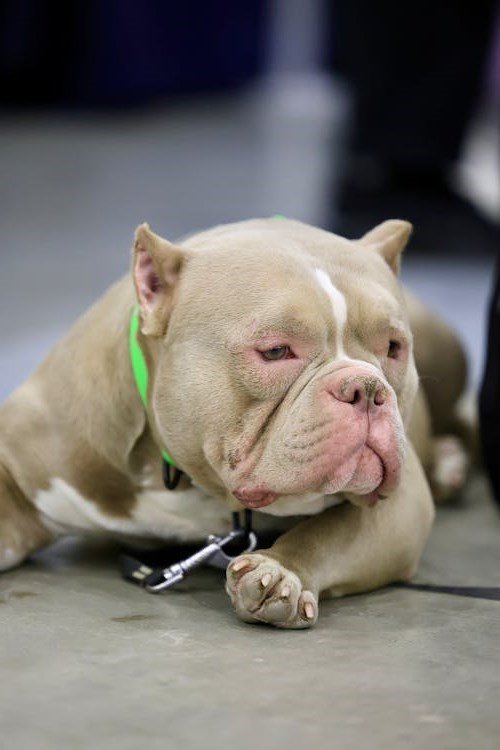
Overview
The Pocket Bully is a compact version of the American Bully. It was developed from American Pit Bull Terriers and American Staffordshire Terriers. The word “Pocket” means the dog stands under 17 inches tall — but it still carries that powerful, muscular build.
Do not let the tough appearance fool you. Pocket Bullies are nicknamed “nanny dogs” for their patience and gentleness with children. They are loving, loyal, and people-oriented dogs.
They thrive on human companionship. A Pocket Bully that is left alone for long periods will be unhappy.
Habitat & Housing
Pocket Bullies are indoor family dogs. They are not suited for outdoor kennel living.
They adapt well to apartment living when given enough daily exercise. They do not need a yard — but they do need daily walks and playtime.
Exercise needs: 45–60 minutes of moderate exercise every day. Walks, fetch, or structured play all work well. Regular exercise maintains their healthy muscle tone and prevents obesity.
Mental stimulation: Puzzle toys, training sessions, and Kong toys stuffed with food are just as important as physical exercise. A bored Pocket Bully will find its own entertainment — usually destructive.
Keep them indoors in very cold weather (below 40°F) — their short coat does not provide much insulation. A dog sweater helps on cold days.
Diet & Feeding
Pocket Bullies are muscular, active dogs that need a high-protein diet.
Look for:
- 28–32% protein in dry kibble
- A named meat (chicken, beef, turkey) as the first ingredient
- Grain-inclusive formula — grain-free diets have been linked to heart problems in bully breeds
Feed twice daily (morning and evening). Portion size depends on your dog’s weight and activity level — follow the package guide.
Helpful supplements:
- Fish oil (omega-3): supports skin, coat, and joints
- Joint supplements (glucosamine/chondroitin): beneficial from middle age
- Probiotics: supports gut and immune health
Avoid overfeeding. Pocket Bullies love food and gain weight easily. Obesity worsens joint problems significantly.
Health & Common Issues
A healthy Pocket Bully is lean but muscular, has clear eyes, a shiny coat, and is active and playful.
Hip and elbow dysplasia is common in heavier breeds. Maintain a healthy weight and consider joint supplements. Health-tested parents (OFA screenings) from a reputable breeder reduce this risk.
Skin allergies cause itching, redness, and paw licking. Environmental and food allergies are common in the breed. A vet can help identify triggers.
Heart conditions have been reported. Annual cardiac screening is recommended.
Cherry eye (prolapse of the third eyelid gland) looks like a red bump in the corner of the eye. Surgical correction by a vet is needed.
Training & Temperament
Pocket Bullies are intelligent, eager-to-please dogs. They want to make their owner happy. This makes training relatively easy when done with positive reinforcement.
Start obedience training at 8 weeks old. Puppy socialization classes are very important — expose the puppy to many people, animals, and situations in the first 16 weeks of life. Early socialization prevents fearfulness and aggression as an adult.
With children: excellent. Pocket Bullies are famously patient and gentle. Always supervise interactions between dogs and young children regardless of breed.
With other dogs: most do well with early socialization. Intact males may show same-sex aggression. Neutering typically reduces this.
Cost & Commitment
| Item | Cost |
|---|---|
| Pocket Bully (reputable breeder) | $1,500–$5,000+ |
| Monthly food | $50–$100 |
| Toys, collar, leash, bed | $100–$200 setup |
| Annual vet care | $300–$600 |
| Training classes | $100–$300 |
Pocket Bullies live 10–13 years. They are a full-family dog — they need daily exercise, training, and a lot of love.
Frequently Asked Questions
Are Pocket Bullies aggressive?
No. The breed standard selects for extreme friendliness toward people. Human aggression is contrary to the entire purpose of the breed. Proper socialization is the key to a well-adjusted dog.
Are Pocket Bullies good for first-time dog owners?
Yes, with a commitment to training. Their eagerness to please makes training relatively straightforward. They need consistent rules and daily exercise.
Do Pocket Bullies bark a lot?
They are moderate barkers. They may alert-bark at strangers but are not yappy. Excessive barking usually means the dog needs more exercise or stimulation.
How do I find a reputable Pocket Bully breeder?
Look for breeders registered with the American Bully Kennel Club (ABKC). Good breeders health-test their dogs (OFA hips, elbows, cardiac) and are happy to show you the parents and their setup.