
Angel Fish Care Guide for Beginners
Tank height, water quality, compatible tankmates, and diet for graceful Angelfish — the iconic triangular cichlid of the freshwater aquarium.
Overview
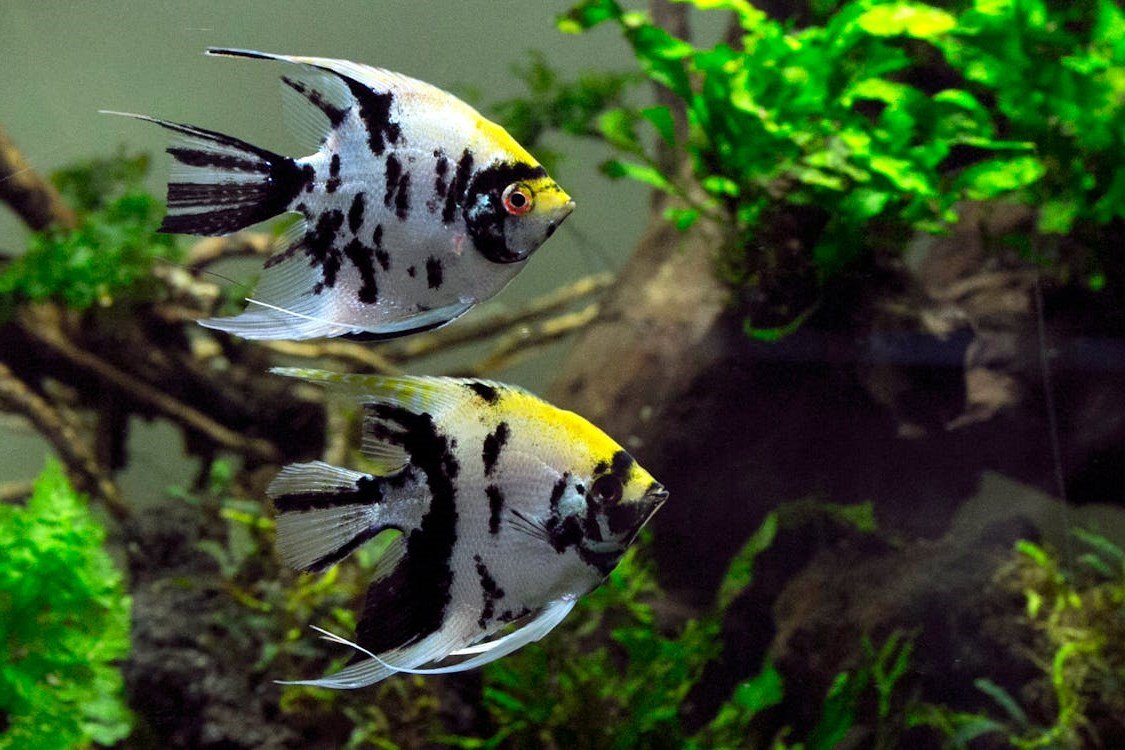
Freshwater Angelfish are one of the most graceful and beautiful fish you can keep. They come from the slow-moving rivers of the Amazon in South America. Their tall, triangular shape and flowing fins make them look like they are floating on water.
They grow to about 6 inches in body length and up to 10–12 inches from fin tip to fin tip. They live for 8–12 years with good care.
Angelfish are cichlids — a family of fish known for being semi-aggressive. They are peaceful with most fish when young but become more territorial as they mature.
Habitat & Housing
Tank height is critical for angelfish. Their tall, elegant shape needs a tall tank.
- Minimum for a pair: 30 gallons, at least 18 inches tall
- For a group or community: 55+ gallons, 24 inches tall preferred
Standard 20-gallon “long” tanks (only 12 inches tall) are inadequate for angelfish. They need to swim in their natural upright posture.
Water temperature: 76–84°F. Use a reliable heater. Angelfish are tropical fish that cannot handle cold water.
| Parameter | Target |
|---|---|
| pH | 6.0–7.5 |
| Temperature | 76–84°F |
| Ammonia | 0 ppm |
| Nitrite | 0 ppm |
| Nitrate | Under 20 ppm |
Use a canister filter or large sponge filter. Angelfish prefer moderate, gentle water flow. They come from slow-moving rivers — not fast-flowing streams.
Add tall plants (Amazon swords, vallisneria), driftwood, and vertical structures. These mimic the tall roots and reeds of their natural home. Dense planting also reduces territorial aggression.
Diet & Feeding
Angelfish are omnivores that naturally eat small fish, invertebrates, and plant matter.
Best foods:
- High-quality cichlid pellets or flakes — main staple
- Frozen bloodworms — they love these; feed 2–3 times a week
- Frozen brine shrimp — excellent variety
- Frozen daphnia — good for digestion
Feed 2–3 small meals per day. Angelfish are slower, more deliberate feeders. Make sure they are actually eating and not being pushed out by faster tankmates.
Health & Common Issues
A healthy angelfish swims upright with open, flowing fins. The black stripe pattern should be sharp and clear.
Hole-in-the-Head (HITH) causes small pitting around the head and lateral line. It is linked to poor water quality and nutritional deficiency. Improve water changes and add variety to the diet.
Ich: white spots, scratching. Treat with ich medication and raise temperature slowly to 82°F.
Bacterial infections cause body sores and fin deterioration. Almost always triggered by poor water quality. More water changes plus antibacterial treatment.
Handling & Temperament
Angelfish cannot be handled, but they are interactive and rewarding to observe. Pairs that bond become very closely attached — they swim together, eat together, and defend territory together.
Tankmate selection matters. Adult angelfish will eat small fish that fit in their mouths.
- Good tankmates: rummy nose tetras, black skirt tetras, cory catfish, mollies
- Avoid: neon tetras and tiny fish (they get eaten), tiger barbs (they nip fins)
Once a pair forms and begins spawning, they will aggressively defend their territory. Give them their own 30-gallon tank if breeding becomes a problem.
Cost & Commitment
| Item | Cost |
|---|---|
| Angelfish (pair) | $10–$30; rare morphs $20–$60 |
| 55-gallon tall tank | $150–$300 |
| Canister filter | $60–$150 |
| Heater | $20–$35 |
| Monthly food | $10–$20 |
Angelfish live 8–12 years. They are beautiful, long-lived fish that reward patient, attentive keeping.
Frequently Asked Questions
How many Angelfish can I keep in a 55-gallon tank?
3–4 juveniles work well. As adults, pairs form and become territorial. You may need to move breeding pairs into their own tank.
Will Angelfish eat my other fish?
Adult angelfish will eat small fish that fit in their mouth. Neon tetras are a classic victim. Choose tankmates that are too large to be eaten or fast enough to avoid being caught.
Why do my Angelfish keep fighting?
Hierarchy and pair bonding causes some aggression. If one fish is being severely harassed and cannot eat or rest, separate the aggressor or add more tank décor to break up sightlines.
Do Angelfish need a heater?
Yes. They are tropical South American fish that need 76–84°F water year-round. Room temperature is too cold in most homes.