
Blue Tongue Skink Care Guide for Beginners
Housing, substrate, omnivorous diet, and enrichment for a healthy, handleable Blue Tongue Skink — a rewarding beginner lizard.
Overview
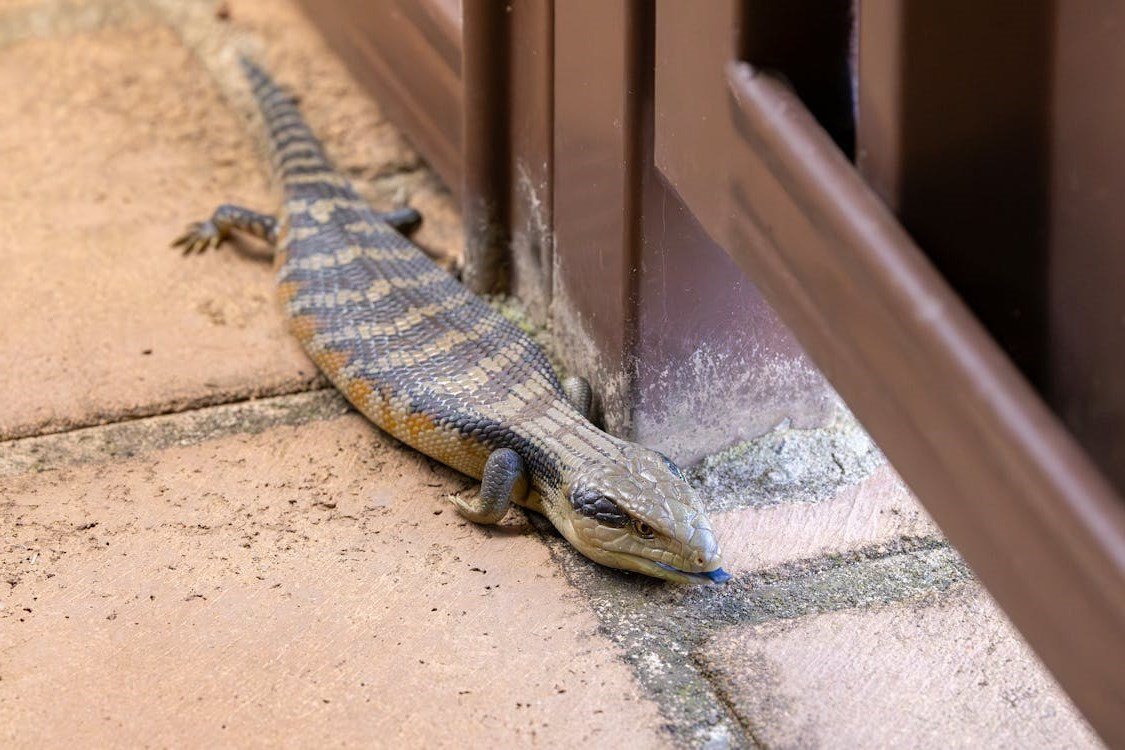
The Blue Tongue Skink is named for its bright blue tongue — which it shows to scare away predators. These chunky, smooth-scaled lizards are from Australia and Indonesia. They are calm, curious, and love spending time with people.
Adults grow to 18–24 inches long. They live for 15–20 years. They are considered one of the best “upgraded beginner” lizards — a great step up from leopard geckos.
The most recommended species for beginners is the Northern Blue Tongue Skink. It has a naturally calm temperament and adapts well to captivity.
Habitat & Housing
Young blue tongue skinks need a 40-gallon tank. Adults need at least a 4×2 ft enclosure. They are active lizards that love to explore, so bigger is always better.
| Zone | Temperature |
|---|---|
| Basking spot | 95–105°F |
| Warm side ambient | 85–90°F |
| Cool side | 75–80°F |
| Night minimum | 65°F |
Always use a thermostat with your heater. Use a digital temperature gun to check the basking spot. Regular thermometers are not accurate enough for the basking zone.
UVB lighting is strongly recommended. A T5 HO 10.0 tube across most of the tank improves health, immune function, and color. Replace the bulb every 6–12 months even if it still looks bright.
Use a deep substrate (4–6 inches) of 60% topsoil and 40% cypress mulch. Blue tongue skinks love to burrow. Add a moist hide filled with damp moss for shedding help.
Diet & Feeding
Blue tongue skinks are omnivores with one of the most varied diets in reptile keeping. Adults eat every 2–3 days.
A good adult diet is roughly:
- 40% protein: canned dog food (no onion or garlic), cooked chicken, snails, or dubia roaches
- 40% vegetables: collard greens, dandelion greens, squash, green beans
- 20% fruit: papaya, mango, blueberries (as a garnish, not a main food)
Serve food in a bowl and remove anything uneaten after an hour. Dust food with calcium powder 2–3 times a week.
Do not feed: avocado, onion, garlic, citrus, or any food with artificial ingredients.
Health & Common Issues
A healthy Blue Tongue Skink is alert, has clear eyes, eats regularly, and sheds in one clean piece.
Retained shed often happens around the toes. Increase humidity and provide a moist hide. Rough surfaces (like a brick or cork bark) also help the gecko rub the old skin off.
Obesity is very common. Blue tongue skinks love food and will overeat if you let them. Measure portions and limit high-fat foods like canned dog food.
Respiratory infections cause labored breathing and mucus. They happen in cold or very damp conditions. A vet visit is needed.
Handling & Temperament
Blue tongue skinks are one of the most handleable lizards you can own. They may hiss or puff up at first. With regular gentle handling, they become very relaxed and tame.
Allow 1–2 weeks after bringing your skink home before handling. Then handle a little each day. Hold sessions to 15–20 minutes, especially in cool rooms.
Support the full body and belly during holds. Blue tongue skinks feel secure when they feel fully supported. Always wash your hands after handling.
Cost & Commitment
| Item | Cost |
|---|---|
| Blue Tongue Skink (captive-bred) | $150–$400 |
| 4×2 ft enclosure | $200–$400 |
| UVB fixture + bulb | $60–$120 |
| Monthly food | $15–$30 |
These skinks live 15–20 years. They are a significant but very rewarding commitment for lizard lovers.
Frequently Asked Questions
Is a Blue Tongue Skink good for beginners?
Yes! They are highly recommended. Their calm nature, love of handling, and easy diet make them one of the best lizards you can own. They are a step up in care from a leopard gecko but not difficult.
Do Blue Tongue Skinks bite?
Rarely. They bite mostly during feeding if a hand smells like food. Their jaws are strong (built to crush snails), so approach calmly and do not reach for them during mealtime.
Why does my Blue Tongue Skink pace along the glass walls?
This is called glass surfing and usually means the enclosure is too small, the lighting is too bright, or the skink is seeing its own reflection. Add more hides, check the enclosure size, and cover reflective surfaces.
How do I tell male from female?
Males tend to have a bigger, more triangular head. A reptile vet can confirm with probing or a physical exam.