
Bearded Dragon Care Guide for Beginners
Complete bearded dragon care: UVB lighting, temperature gradients, omnivorous diet, and handling tips for a healthy, friendly beardie.
Overview
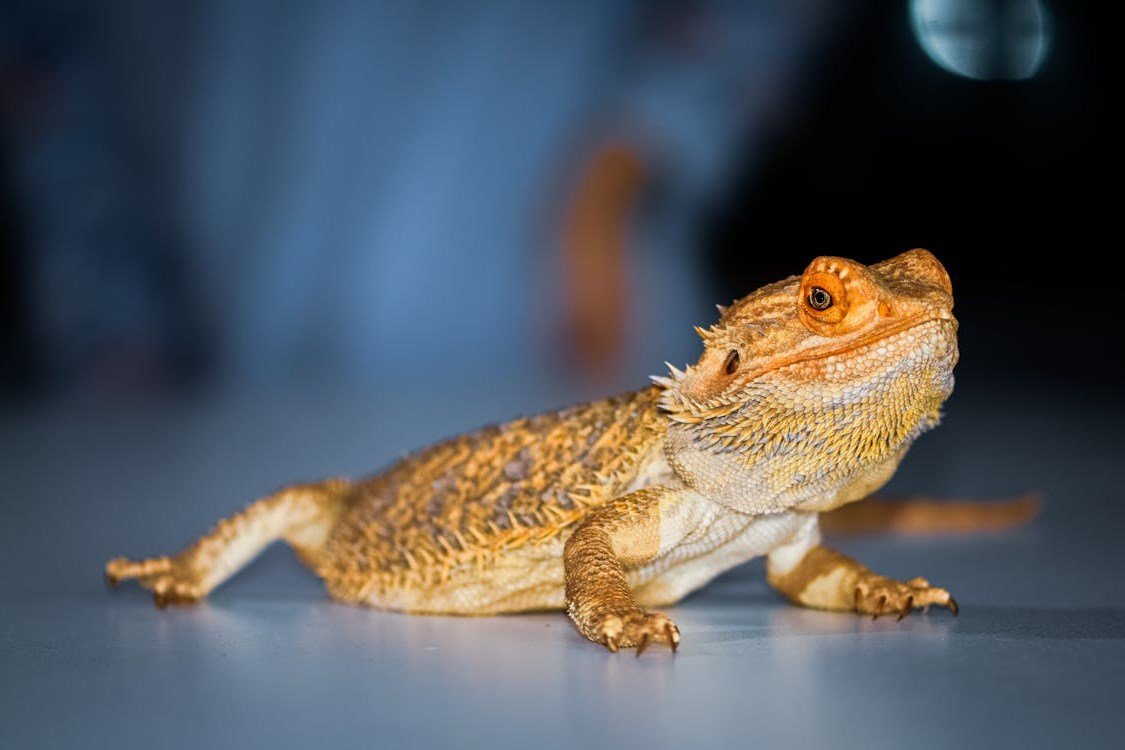
The Bearded Dragon is a lizard from Australia. It is the most popular pet lizard in the world. Beardies are friendly and love spending time with people.
Adults grow to about 18–24 inches long. They live for 10–15 years. They will know who you are and come to you!
Bearded dragons need special lighting and heat. Getting this right is the most important part of caring for them. Once you do, daily care is easy and fun.
Habitat & Housing
Young beardies need a 40-gallon tank. Adult beardies need a much bigger space — at least 4 feet wide and 2 feet deep. Bigger is always better.
UVB lighting is not optional. Without it, your beardie will get very sick. The bones will soften and the limbs will bend. Use a T5 HO 10.0 UVB bulb and replace it every 6–12 months.
Keep the lights on a timer — 12–14 hours on, 10–12 hours off. This mimics the natural sun cycle.
| Zone | Temperature |
|---|---|
| Basking spot | 100–110°F (adults) |
| Cool side | 80–85°F |
| Night minimum | 65–70°F |
Use an infrared temperature gun to check the basking spot. Stick-on thermometers are not accurate enough.
Diet & Feeding
Bearded dragons eat both insects and vegetables. The mix changes as they grow older.
| Age | Insects | Vegetables |
|---|---|---|
| Baby (0–3 months) | 80% | 20% |
| Juvenile (3–12 months) | 60% | 40% |
| Adult (12+ months) | 20% | 80% |
The best insects are dubia roaches and crickets. The best vegetables are collard greens, mustard greens, and dandelion greens. Offer fresh greens every single day.
Do not feed spinach, avocado, or rhubarb — these are harmful. Iceberg lettuce has no nutrition, so skip it too.
Dust insects with calcium powder 5 times a week. Add a multivitamin once a week. This keeps your beardie’s bones strong.
Health & Common Issues
A healthy beardie is alert, has bright eyes, and eats well. It basks happily and has normal bowel movements.
Metabolic Bone Disease (MBD) is very common. It causes shaking, a soft jaw, and bent limbs. It is caused by not enough UVB light or calcium. It is almost totally preventable.
Brumation is like a winter sleep. Your beardie may eat less and sleep more for 1–3 months in winter. This is normal — do not panic.
Bearded dragons can get worms and other parasites. A yearly fecal exam at the vet is a good idea.
Handling & Temperament
Bearded dragons are among the friendliest reptiles you can own. Most love being held and will sit on your lap or shoulder.
Wait 1–2 weeks after bringing your beardie home before handling. Let it get used to its new space first. Then handle it every day to build trust.
Support the whole body including the tail when you pick it up. Keep sessions to 15–20 minutes. Always wash your hands after handling.
Cost & Commitment
| Item | Cost |
|---|---|
| Beardie (captive-bred) | $50–$100 |
| 4×2 ft enclosure | $200–$400 |
| UVB light fixture + bulb | $60–$120 |
| Monthly food | $20–$40 |
Bearded dragons live 10–15 years. They take daily care and attention. They are very rewarding pets for owners who are ready.
Frequently Asked Questions
How often do I feed an adult Bearded Dragon?
Offer fresh greens every morning. Give insects 3–4 times per week. Remove any uneaten food after a few hours.
Why is my Bearded Dragon’s beard turning black?
A black beard is a normal display. It can mean stress, dominance, or just temperature changes. If your beardie also seems sick or stops eating, check your setup.
Do Bearded Dragons need a water dish?
A shallow dish is fine, but many beardies ignore it. Offer water from a dropper 2–3 times a week. Soak your beardie in warm water twice a week for hydration.
Can I keep two Bearded Dragons together?
No. They will fight, especially males. Always keep beardies in separate tanks.