
Sugar Glider Care Guide for Beginners
Social needs, specialized diet, enclosure requirements, and bonding tips for Sugar Gliders — marsupials that need significant time and commitment.
Overview
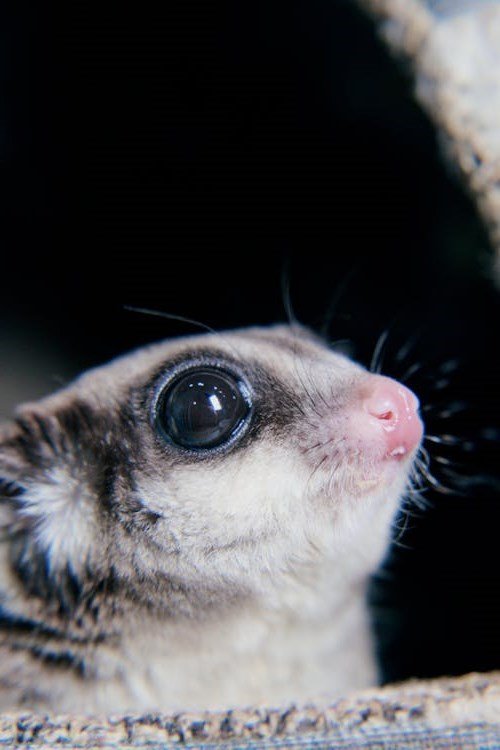
Sugar Gliders are small marsupials from Australia and Indonesia. They have a thin flap of skin (called a patagium) that stretches from their wrists to their ankles. This lets them glide up to 50 meters through the air.
They are social animals that form strong bonds with their owners. But they are not beginner pets. They need specialized diets, large enclosures, at least two companions, and 1–2 hours of hands-on bonding time every single night.
Sugar gliders that are not properly cared for develop serious problems including depression and self-mutilation. Only get sugar gliders if you are fully prepared.
Check local laws first. They are illegal in California, Alaska, Hawaii, Massachusetts, and other states.
Habitat & Housing
Sugar gliders need height to glide. The enclosure must be tall.
- Minimum: 24 × 24 × 48 inches
- Recommended: 30 × 18 × 48 inches or larger
Use powder-coated metal bar cages with bar spacing no wider than 1/2 inch. Avoid galvanized wire — the zinc coating is toxic to sugar gliders.
Fill the cage with:
- Branches, vines, and climbing structures at many heights
- Fleece sleeping pouch — this is where they spend all day sleeping
- Foraging toys and enrichment items
- Water bottle (check daily)
Bonding pouches are small mesh or fleece bags worn against your body during the day. While the glider sleeps inside, it bonds to your scent and body heat. This is the foundation of the entire bonding process.
Keep the room between 65–80°F. Consistent temperature is important.
Diet & Feeding
Diet is the most important and most complicated aspect of sugar glider care.
The most widely used diet is the BML diet (Bourbon’s Modified Leadbeater). It is a homemade diet made with honey, apple juice, eggs, baby food, and specific supplements. It is prepared in batches and frozen.
Key nutrition rule: The calcium-to-phosphorus ratio must be 2:1. An imbalance causes Metabolic Bone Disease — a crippling condition.
Every night, offer:
- The prepared BML mix (or a commercial equivalent like TPG diet)
- Fresh fruits on the side: apple, papaya, mango, grapes, blueberries
Do not feed: canned food with additives, anything high in oxalates, chocolate, onion, or garlic.
Feed every night at dusk — sugar gliders are nocturnal.
Health & Common Issues
A healthy sugar glider is active at night, glides freely, is social with its companions, and accepts bonding time willingly.
Metabolic Bone Disease (MBD) causes progressive hind leg weakness and paralysis. It is caused by the wrong calcium-to-phosphorus ratio in the diet. Entirely preventable with the correct diet.
Self-mutilation is a serious welfare emergency. A sugar glider mutilating its own pouch or tail usually means it is severely stressed — from isolation, incorrect diet, or illness. See a vet immediately.
Depression from isolation: solo sugar gliders suffer deeply. Always keep at least two.
Handling & Temperament
Bonding takes weeks of patient, consistent effort. New sugar gliders will “crab” (make a loud insect-like defensive screech). This is normal. Do not back away — stay calm and let the glider settle.
Bonding process:
- Wear the glider in a bonding pouch against your body during the day while it sleeps
- Put a worn t-shirt in the cage so it gets used to your scent
- Offer food from your hand to build positive association
- Allow short handling sessions when the glider comes to you willingly
Most gliders take 2–6 weeks to become comfortable with their owner.
Cost & Commitment
| Item | Cost |
|---|---|
| Pair of sugar gliders | $200–$600 |
| Large cage | $150–$400 |
| BML diet ingredients (monthly) | $25–$40 |
| Vet (exotic specialist) | $100–$200 per visit |
Sugar gliders live 10–15 years. They need a vet who specializes in exotic animals. Find one before you need one.
Frequently Asked Questions
Can I keep just one Sugar Glider?
No. Solo sugar gliders develop depression, self-mutilation, and die young. They must always be kept in bonded pairs or small groups.
Do Sugar Gliders bond with their owners?
Yes — deeply, when properly bonded. A well-bonded glider will come to its owner’s voice, glide to them, and seek closeness. But it takes weeks to months of daily bonding work to get there.
Why does my Sugar Glider crab at me?
Crabbing is a fear response — a loud defensive screech. It is normal from new, unsettled gliders. Stay calm, keep the interaction positive, and the crabbing will reduce over time.
Are Sugar Gliders legal everywhere?
No. Check your local laws before buying. They are illegal in several US states and some countries.