
Sulcata Tortoise Care Guide for Beginners
Space requirements, outdoor housing, grass-based diet, and health basics for the fast-growing Sulcata Tortoise — Africa's giant.
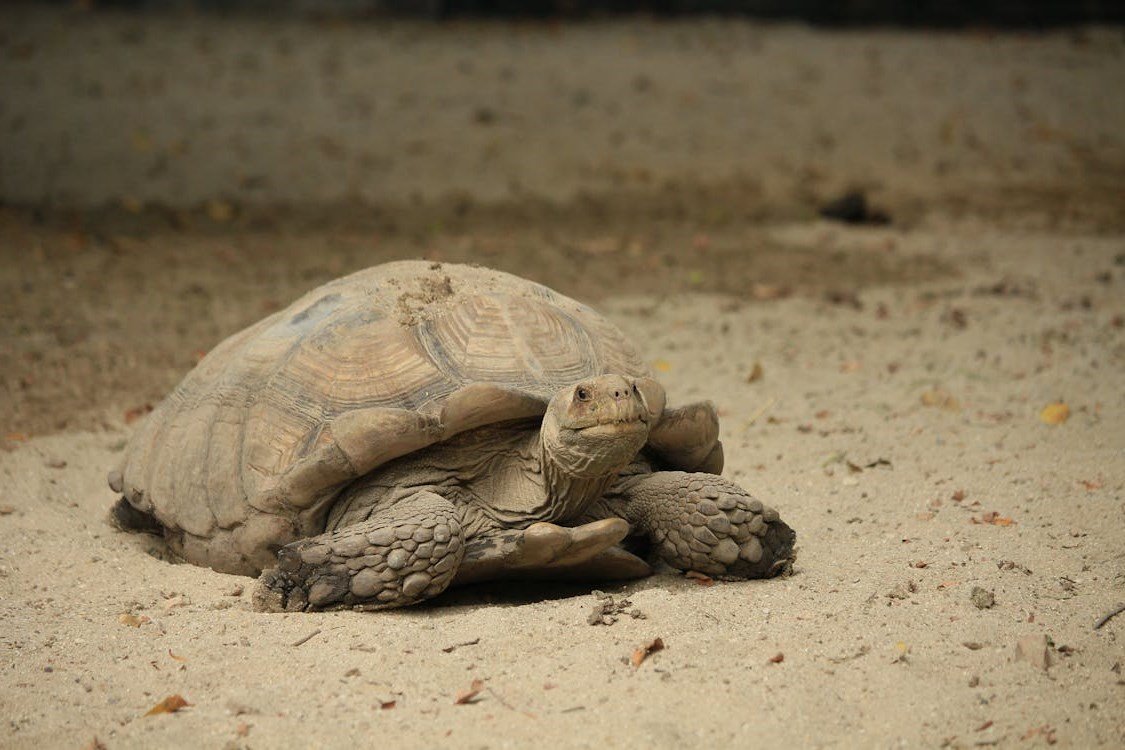
Overview
The Sulcata Tortoise is the third-largest tortoise species in the world. A hatchling is the size of a golf ball. That same tortoise will grow to 24–36 inches and weigh up to 150 pounds within 10–15 years.
They are magnificent animals — strong, curious, and surprisingly friendly. But Sulcata Tortoises are the most commonly surrendered tortoise species. People buy cute hatchlings without planning for their enormous adult size.
Only get a Sulcata if you have outdoor space and a warm climate — or a heated outbuilding for cold months.
Habitat & Housing
Adults cannot live indoors. They need outdoor pens of at least 200 square feet. Many keepers give them much more space.
For the first 2–3 years (while still juvenile):
- Minimum 4 × 4 ft tortoise table indoors
- Basking spot: 100–110°F
- Ambient warm side: 85–90°F
- Cool side: 75–80°F
As the tortoise grows, move to an outdoor pen. Build walls from concrete block or thick lumber. Bury the walls at least 12 inches underground — Sulcatas are powerful diggers. Make the walls high too — they are also climbers.
Provide a heated shelter or “tortoise house” for nights below 55°F and all winter in cold climates. The shelter must stay above 60°F at night.
UVB lighting is required for indoor setups. Outdoor tortoises get everything they need from natural sunlight.
Diet & Feeding
Sulcata Tortoises evolved to graze on dry, tough grasses. That is what their whole digestive system is designed for.
Best foods:
- Grasses — Bermuda grass, orchard grass, Timothy hay (unlimited)
- Weeds — dandelion, plantain weed, clover, cactus pad
- Leafy greens as a small supplement — collard greens, mustard greens
Avoid entirely: fruit (causes digestive upset), animal protein (damages kidneys over time), and most commercial vegetables.
Offer food every day. A Sulcata with access to a grass yard essentially feeds itself during warm months.
Soak hatchlings in shallow warm water every day during the first year. Adults benefit from a weekly soak. Provide a shallow water tub at all times.
Health & Common Issues
A healthy Sulcata has flat, smooth shell growth, is active in warm weather, and has a strong appetite.
Pyramiding (ridged, stacked shell scutes) is caused by too much protein and not enough grass fiber. Feed mostly grass from day one to prevent it.
Respiratory infections happen in cold, damp conditions. Wheezing and nasal discharge are the signs. See a vet.
Dehydration is common in hatchlings. Soak daily for the first year and always provide fresh water.
Handling & Temperament
Young Sulcatas can be picked up and handled gently. Adults are too heavy and powerful to handle in the traditional sense.
At ground level, Sulcatas are very friendly. Many follow their owners around the yard, accept hand-feeding, and enjoy gentle neck scratches.
Wash hands after every interaction.
Cost & Commitment
| Item | Cost |
|---|---|
| Hatchling | $50–$150 |
| Indoor juvenile setup | $200–$400 |
| Adult outdoor pen + heated shelter | $500–$3,000+ |
| Annual food (grass, hay, weeds) | $100–$300 |
Sulcata Tortoises live 50–150+ years. They will almost certainly outlive you. Think carefully — this is an animal that may need to be passed on to another keeper in your will.
Frequently Asked Questions
Is a Sulcata Tortoise good for beginners?
Only if you live in a warm climate and have outdoor space. Hatchlings are deceptively small and cute. An adult Sulcata is essentially a small livestock animal. Know what you are getting into before buying one.
How fast do Sulcata Tortoises grow?
Very fast. Within 3–4 years, a hatchling can reach 12 inches and 15–20 pounds. By 10 years, it may be 24+ inches and 80+ pounds.
Can Sulcatas live in cold climates?
Yes, with a well-insulated, heated shelter (kept above 60°F year-round). This significantly increases cost and complexity. They do much better in warm, dry climates.
What do I do if I can no longer care for my Sulcata?
Contact a reptile rescue, tortoise sanctuary, or zoo. Never release it into the wild. Many rescues specifically seek Sulcata placement homes.